

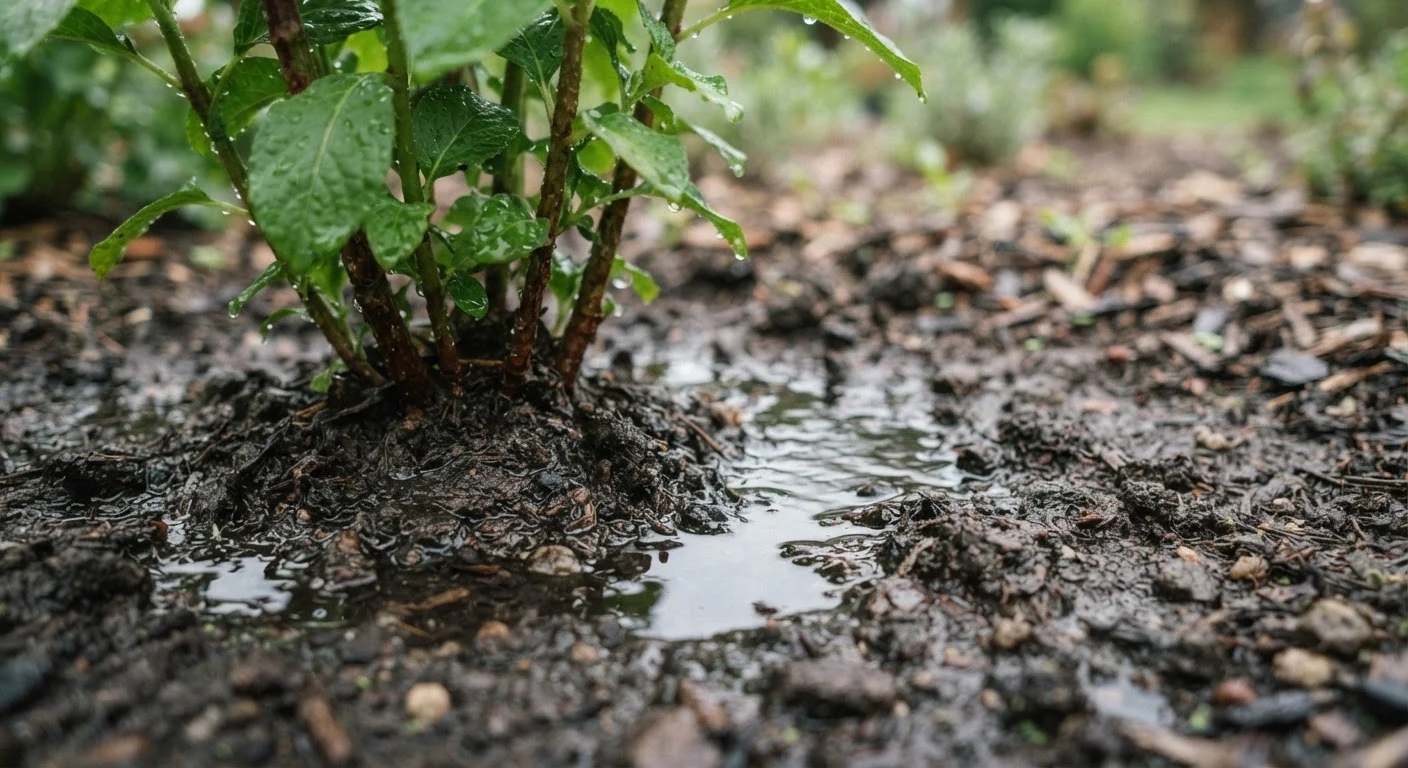
Why Overwatering Is So Easy to Do
Caring for plants feels intuitive - when something looks stressed, adding water is a natural first response. But that instinct leads many home gardeners into a cycle of overwatering that slowly harms the very plants they're trying to help. Unlike underwatering, which shows up fast and dramatically, overwatering damages roots quietly over days and weeks.
The problem isn't just about effort - it's about knowledge. Many families carry gardening habits passed down informally or absorbed from vague advice that doesn't account for plant type, climate, or soil. If you've ever wondered why a plant keeps struggling despite regular care, too much water is one of the first things worth investigating.
For indoor plants, the stakes are just as real. Our guide on keeping houseplants alive in a busy home covers how water needs shift when plants move from garden beds to indoor pots. And if you're curious about popular advice that doesn't hold up, common garden myths separates folklore from evidence.
#1
Cause of houseplant death
Overwatering is widely cited by horticulturists and extension educators as the single most common reason houseplants fail in home settings.
50%
Potential water savings with mulch
The U.S. Environmental Protection Agency notes that mulching garden beds can reduce outdoor water use by up to 50% by slowing evaporation.
30%
Outdoor water wasted on average
According to the EPA's WaterSense program, nearly 30% of residential outdoor water use is wasted due to inefficient watering methods and timing.
The Mistakes That Cause It - and How to Course-Correct
Most overwatering comes down to a handful of predictable patterns. Understanding why these habits form makes them easier to change.
Watering on a fixed schedule regardless of conditions.
Why it happens: Routines are convenient, and many gardeners assume consistency is always good. It feels responsible to water every other day - but weather, season, and soil type change what plants actually need.
Treating wilting as a guaranteed sign of underwatering.
Why it happens: Wilting looks like thirst, so the instinct is to add water. In reality, overwatered roots lose their ability to take up water properly, causing the same drooping appearance.
Watering shallow and frequently instead of deep and infrequently.
Why it happens: Quick surface watering feels sufficient, and many gardeners do it daily as part of a garden routine. However, shallow watering keeps moisture near the surface, encouraging shallow root development.
Ignoring differences in soil drainage across the yard.
Why it happens: It's easy to apply the same watering approach to every bed, pot, and lawn area. But clay-heavy soil retains water far longer than sandy or loamy mixes.
Watering at the wrong time of day.
Why it happens: Many busy families water when it's convenient - evenings after work or midday on weekends. Evening watering, in particular, leaves foliage and soil damp overnight, creating conditions favorable to fungal disease.
Root Rot Can Kill Plants Quickly
Chronically wet soil starves roots of oxygen and creates conditions where fungal root rot thrives. Once root rot takes hold, it can be difficult or impossible to reverse. If you notice a foul smell from the soil or blackened, mushy roots, act immediately by reducing water and improving drainage - and accept that some plants may not recover.
One low-effort fix that helps across the board: mulch. Spreading a two- to three-inch layer of organic mulch over garden beds slows evaporation dramatically, meaning you water less often and the water you do apply goes further. Our article on mulching your yard explains how to apply it and which materials suit different areas. It's one of the most efficient habits a home gardener can build.
Don't Trust a Fixed Watering Schedule
A rigid schedule - say, every Monday and Thursday - ignores rainfall, seasonal temperature shifts, and the specific needs of each plant. During a rainy stretch or a cool week, watering on schedule can saturate soil well beyond what any plant needs. Always check the soil before watering rather than relying on the calendar alone.
It's also worth noting that excess water in your yard doesn't stay outside. Poorly draining garden beds near the home's foundation can push moisture toward the structure. If you're seeing damp patches or slow drains indoors, common plumbing oversights are worth reviewing alongside your watering habits.
The content provided on our blog site traverses numerous categories, offering readers valuable and practical information. Readers can use the editorial team’s research and data to gain more insights into their topics of interest. However, they are requested not to treat the articles as conclusive. The website team cannot be held responsible for differences in data or inaccuracies found across other platforms. Please also note that the site might also miss out on various schemes and offers available that the readers may find more beneficial than the ones we cover.