

The Gap Between the Label and Reality
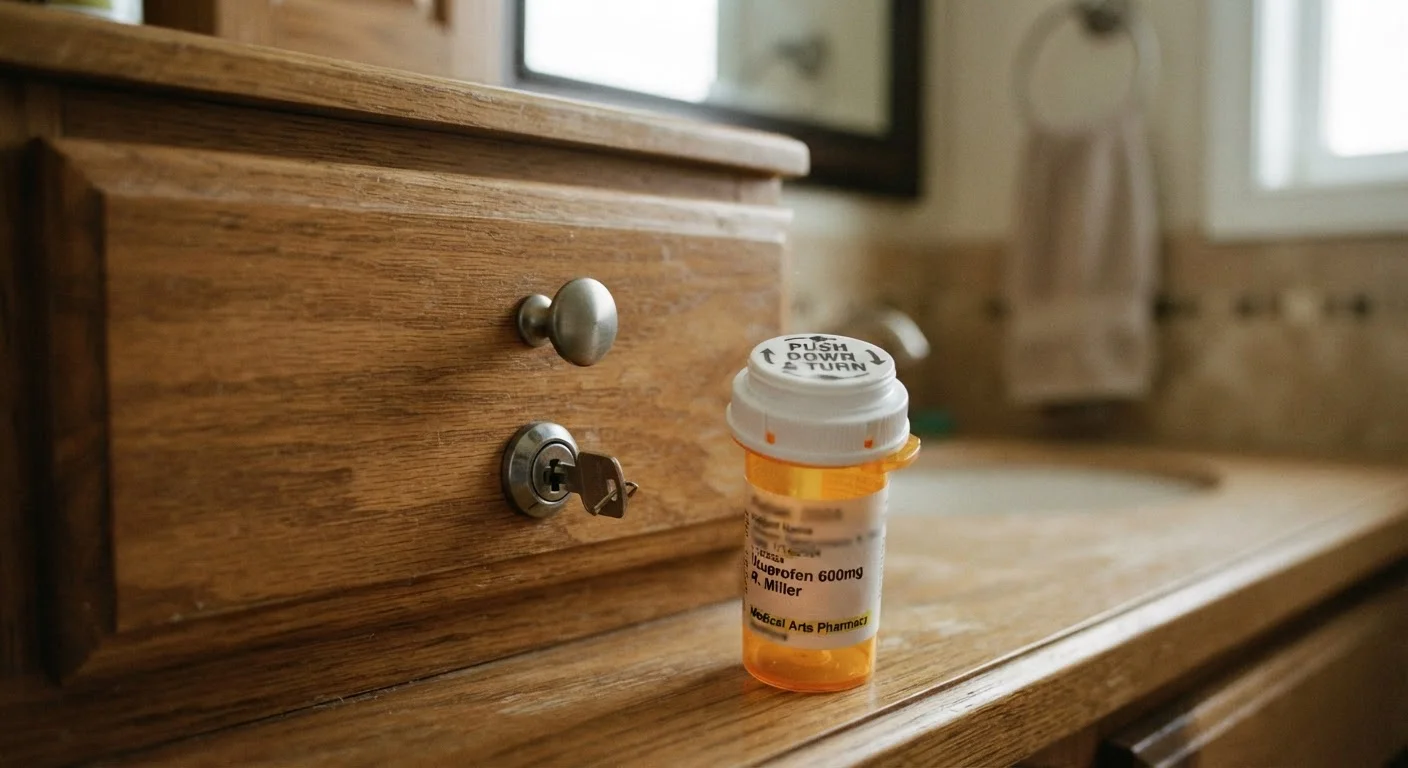
Walk through any hardware store or pharmacy and you'll see the word 'child-proof' used casually on packaging, in marketing copy, and in everyday conversation. It sounds absolute - as though the product creates an impenetrable barrier between a curious child and potential danger. The reality is considerably more nuanced, and understanding that gap can make a meaningful difference in how families approach home safety.
The U.S. Consumer Product Safety Commission (CPSC) and the Poison Prevention Packaging Act (PPPA) use a legally precise term: child-resistant - not child-proof. That distinction is not semantic hairsplitting. It reflects what the standards actually require and, importantly, what they do not. For a deeper look at how certification language works across product categories, see what product safety certifications actually mean.
Myth
If a product is labeled 'child-proof,' a child cannot open or access it.
Fact
No product is legally required to be completely impenetrable to children. 'Child-resistant' means it slows access - it does not guarantee prevention.
Federal standards require that child-resistant packaging be difficult for children under five to open within a defined time window, but the testing threshold allows a percentage of children to succeed. Persistent, motivated children - especially older ones - often find ways through. Treating any packaging as a guaranteed barrier creates a false sense of security that can lead to unsafe storage habits.
Myth
Child-proof locks and cabinet latches protect children from all household hazards inside.
Fact
Cabinet locks reduce access but are not foolproof, and they address only one hazard - what's inside the cabinet, not tipping, pinching, or edge risks from the cabinet itself.
Cabinet locks and drawer latches vary significantly in quality, installation requirements, and resistance to determined toddlers. Many latch designs can be defeated by children within months of exposure. More importantly, a locked cabinet doesn't address surrounding hazards: unstable furniture that can tip, sharp edges at a child's head height, or items stored on top. A lock is one component of a broader storage strategy, not a complete solution.
Myth
Products with safety certifications have been tested specifically for your child's age and size.
Fact
Certifications test for specific hazards under defined conditions - they do not account for every child's developmental stage, physical capability, or behavior.
An ASTM F963 toy safety certification, for example, tests for choking hazards, toxic materials, and mechanical hazards under standardized protocols. It does not evaluate whether a toy is appropriate for a particularly advanced or delayed child, or how a specific child might interact with it. Age grading on packaging reflects broad developmental assumptions, not a precise individual assessment. What 'safety rated' actually means on family products explains how to interpret these marks more accurately.
Myth
Once you've child-proofed your home, the job is done.
Fact
Child safety needs change rapidly as children grow, and what was safe for a two-year-old may be inadequate or even newly hazardous for a four-year-old.
A stair gate that contained a toddler may be climbed by a preschooler. A toy that posed no hazard to a five-year-old may be a choking risk if a younger sibling arrives. Child safety is an ongoing, iterative process - not a one-time installation. Regular reassessment as children develop new physical and cognitive abilities is a core part of home safety, not an optional extra. For guidance on material-level risks that shift with age and use, see the hidden risks in certain children's product materials.
Myth
Laundry pods and similar products are automatically child-resistant because they look different from candy.
Fact
Appearance alone offers no protection. Laundry pod packaging is subject to child-resistant requirements precisely because visual distinction proved insufficient - children still accessed them at high rates.
Following a sharp rise in pediatric poisoning reports, the CPSC strengthened child-resistant packaging requirements for liquid laundry detergent packets. The regulatory response itself confirms that visual differentiation - making products look less edible - was not adequate on its own. These products remain among the leading causes of household poisoning calls to poison control centers involving young children. Packaging standards help, but secure, out-of-reach storage remains essential.
What the Standards Actually Require
Child-resistant packaging under the PPPA must pass specific testing protocols. A package qualifies if no more than 20% of a test group of children ages 42-51 months can open it within five minutes - with or without a verbal demonstration. That means up to one in five children in the test group can open the package. The standard is deliberately tiered, not absolute.
Equally important: many everyday products are not covered by the PPPA at all. Household cleaners, button batteries, laundry pods, and certain over-the-counter medications are subject to child-resistant packaging requirements, but furniture, toys, and general home goods operate under the jurisdiction of different standards bodies - ASTM International, UL (Underwriters Laboratories), and the CPSC's broader regulatory authority. Those standards address different hazards entirely: tip-over risk, choking hazards, flammability, and entrapment. To understand how those labels differ, safety labels families commonly misread breaks down what each mark genuinely covers.
Button Batteries: A High-Stakes Exception
Small lithium button batteries found in remotes, key fobs, and certain toys are among the most acutely dangerous household items for young children if swallowed. Regulations have tightened battery compartment requirements, but products purchased before rule changes - or imported goods - may not comply. Check that battery compartments require a tool or deliberate adult action to open, and store spare batteries completely out of reach, regardless of packaging.
Building a More Realistic Safety Approach
Reframing 'child-proof' as 'child-resistant' isn't pessimistic - it's the foundation for building smarter, layered safety habits. A single packaging feature, lock, or cover is one barrier in a system that should include storage practices, supervision, and environmental design. Families who treat any single product as a complete solution tend to under-invest in the surrounding layers.
Practically, this means storing medications and chemicals in locations that are both locked and out of sight - not simply relying on a twist cap. It means anchoring furniture to walls even when a product claims stability, and verifying that age-grading on toys reflects genuine developmental safety testing, not just a marketing estimate. Our family safety checklist for new products can help you work through these considerations before any significant purchase.
~80%
Child-resistant packaging success threshold required by law
Under PPPA standards, packaging qualifies as child-resistant if at least 80% of tested children ages 42-51 months cannot open it within five minutes.
Top cause
Laundry pods among pediatric poison exposures
The American Association of Poison Control Centers has consistently listed laundry detergent packets among the leading causes of pediatric poisoning exposure calls in recent years.
Understanding why families skip these checks is also worth examining. Time pressure, trust in recognizable brand names, and label overload all play a role - a pattern explored in why families overlook product safety. Recognizing those tendencies in your own shopping habits is the first step toward changing them.
This article is for general informational purposes only. For specific safety concerns related to your child's health or a product incident, consult a qualified healthcare professional or contact the CPSC directly.
The content provided on our blog site traverses numerous categories, offering readers valuable and practical information. Readers can use the editorial team’s research and data to gain more insights into their topics of interest. However, they are requested not to treat the articles as conclusive. The website team cannot be held responsible for differences in data or inaccuracies found across other platforms. Please also note that the site might also miss out on various schemes and offers available that the readers may find more beneficial than the ones we cover.