

The Patterns That Leave Families Exposed
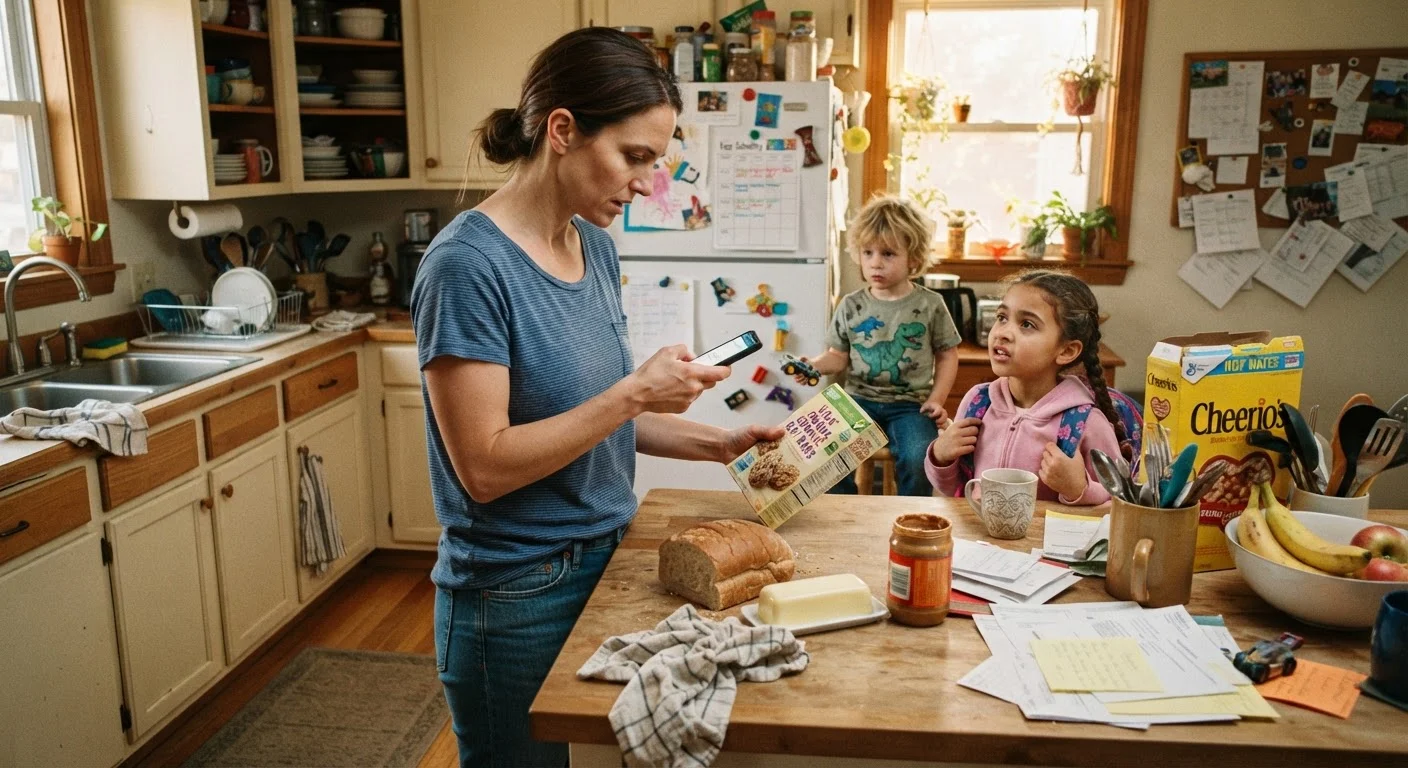
Most families don't skip safety checks out of carelessness - they skip them because daily life creates conditions where shortcuts feel rational. A cart is already full, the kids are restless, and the product looks familiar. These pressures are real, and the consumer product industry is well aware of them. Understanding the specific patterns that cause safety oversights is the first step toward breaking them.
The U.S. Consumer Product Safety Commission (CPSC) tracks thousands of product-related injuries and deaths each year involving household and children's items. Many involve products that carried known risks or were subject to recalls that went unnoticed by families. The problem isn't usually ignorance - it's the gap between knowing safety matters and having a consistent habit of checking.
Our family buying guides frame every major purchase around value, safety, and durability - because those three factors are inseparable when the stakes involve children.
Treating brand recognition as proof of safety.
Why it happens: Familiar brand names feel trustworthy, and families reasonably assume that large companies face stricter oversight. In practice, brand reputation and current safety certification are different things.
Skipping age-grading labels or treating them as suggestions.
Why it happens: Age labels are commonly perceived as conservative estimates driven by liability rather than real developmental or physical safety standards. Parents often assume their child is mature or capable enough to use a product rated for older children.
Ignoring product recall alerts for items already in the home.
Why it happens: Recalls feel like something that happens to other people's products. Families also often don't register purchases, which means they're not on the notification list when a recall is issued.
Assuming a lower price point carries no additional risk.
Why it happens: Budget pressure is real for most families, and a lower price is often rationalised as simply reflecting less branding or marketing spend rather than any difference in materials or testing.
Completing the purchase without checking for a certification mark when buying online.
Why it happens: Online shopping removes the ability to physically inspect a product, and product listings are not required to be complete. Photos can be misleading, and certification claims in descriptions are sometimes inaccurate or refer to standards in other countries.
Why These Mistakes Compound Over Time
Each individual shortcut feels minor. Buying the recognisable name without checking certifications once rarely causes harm. But habits form fast, especially under repetitive time pressure, and a family that routinely skips verification steps is statistically more likely to end up with a recalled item still in use, a product mismatched to a child's developmental stage, or a material risk they were never aware of.
233,000+
Children's product-related ER visits annually (US)
According to CPSC data, over 233,000 children under 15 are treated in US emergency rooms each year for injuries related to nursery products and toys.
~35%
Recalled products never returned or remedied
Research on consumer product recalls has found that a substantial portion of recalled products remain in use because owners were never notified or did not act on recall notices.
Material concerns are a particular blind spot. Many families assume that if a product is sold in a major US retailer, its materials have been independently verified as safe. That assumption is only partially warranted - regulatory minimums exist, but they don't cover every substance of concern. The article The Hidden Risks in Certain Children's Product Materials breaks down which specific substances warrant attention and how to identify them on packaging or product listings.
Safety also doesn't end at the point of purchase. Storage, maintenance, and eventual disposal all carry risk if approached carelessly. The full picture of product safety covers what families need to know at every stage of a product's life in their home.
Recall Alerts Only Work If You're Registered
Manufacturers can only notify you of a recall if they have your contact details. Many families skip product registration entirely, assuming it's a marketing exercise. In the event of a recall - particularly for nursery furniture, car seats, or high chairs - being unregistered means you may not find out until the issue surfaces elsewhere. Registration is free and takes minutes; it's worth doing for any product used by a child.
Before any significant purchase, spending two minutes with a structured checklist - like the one in Before You Buy: A Family Safety Checklist for New Products - can catch the most common risk signals before they enter your home.
The content provided on our blog site traverses numerous categories, offering readers valuable and practical information. Readers can use the editorial team’s research and data to gain more insights into their topics of interest. However, they are requested not to treat the articles as conclusive. The website team cannot be held responsible for differences in data or inaccuracies found across other platforms. Please also note that the site might also miss out on various schemes and offers available that the readers may find more beneficial than the ones we cover.