

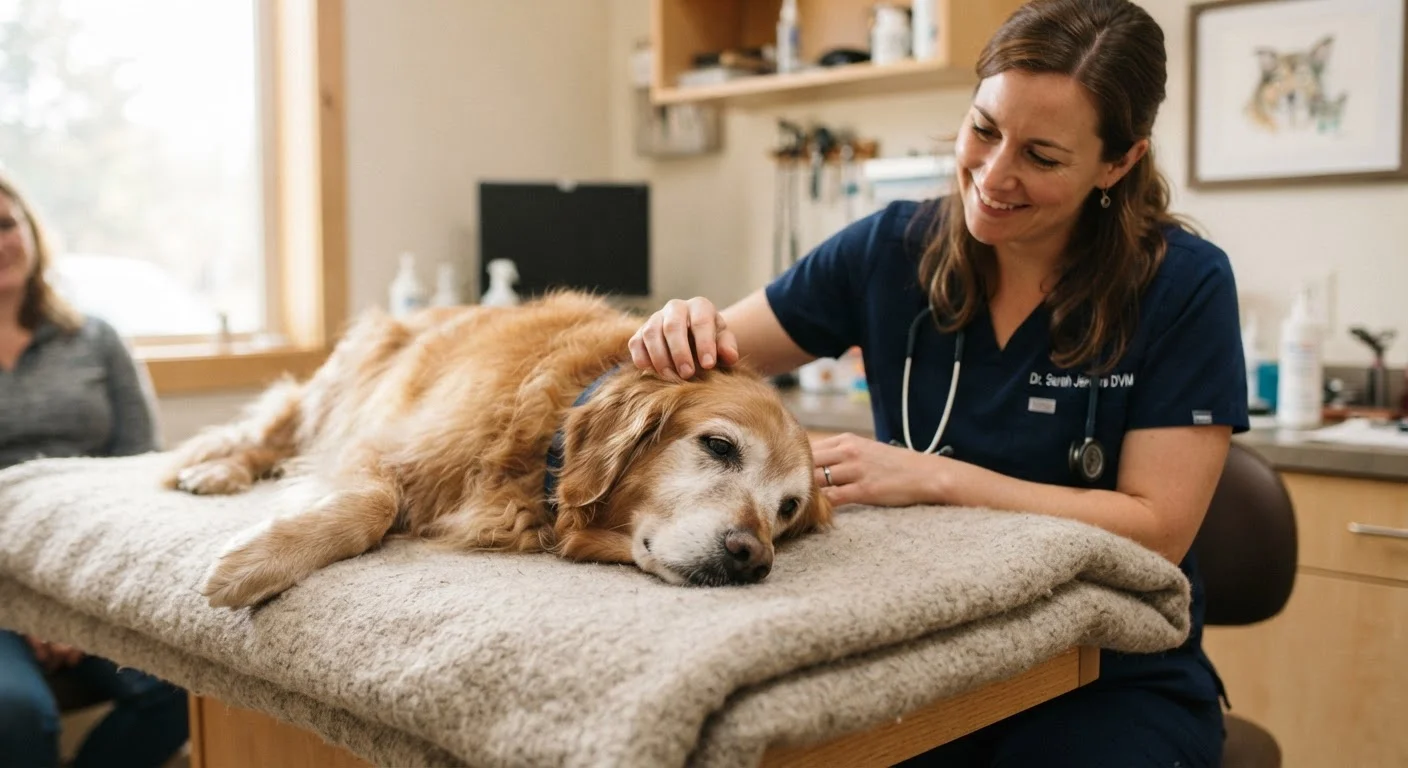
What 'Senior' Actually Means for Your Pet
The word "senior" gets used loosely, but it carries real clinical meaning. A seven-year-old Labrador and a seven-year-old Chihuahua are aging at different rates. Giant breeds like Great Danes are considered senior as early as five or six years old, while small dogs might not reach that threshold until nine or ten. Cats, though often lumped in with dogs, follow their own trajectory - most aren't considered senior until around age ten or eleven.
Understanding where your pet falls on that spectrum helps you and your veterinarian set appropriate expectations. It's not about labeling your animal as "old" - it's about recognizing that their physiology is shifting, and that a care plan built for a two-year-old pet may no longer be the right fit. If you're also thinking about how your home setup factors into a pet's wellbeing throughout their life, our article on matching your home environment to the right animal offers useful context.
How Vet Visits Change in the Senior Years
Annual wellness exams are a solid baseline for younger, healthy pets. But once a pet enters their senior years, most veterinarians recommend shifting to twice-yearly visits. This isn't about being overly cautious - it's practical. Conditions like kidney disease, hyperthyroidism in cats, and early-stage heart disease can progress significantly in just six months. Catching them at six months rather than twelve can meaningfully change the management options available.
Senior wellness exams typically look different too. Expect your vet to recommend baseline blood work and urinalysis if they haven't already. These tests give a snapshot of organ function - kidneys, liver, thyroid - and establish a reference point so future changes can be spotted quickly. Blood pressure monitoring may also become routine, particularly for cats. Our guide on preventive care for pets explains the broader landscape of routine health maintenance.
~80%
Pets showing dental disease by age 3
According to the American Veterinary Medical Association, the majority of dogs and cats show signs of dental disease by age three - a condition that worsens significantly without intervention as pets age.
2x/year
Recommended vet visits for senior pets
Most veterinary professional guidelines recommend semi-annual wellness exams for senior pets to support earlier detection of age-related conditions.
1 in 3
Dogs developing arthritis in their lifetime
Estimates from veterinary research suggest approximately one in three dogs will develop arthritis, with prevalence rising significantly among senior animals.
Physical Changes Worth Monitoring at Home
You're with your pet every day, which makes you an invaluable early-warning system. Some changes are obvious - a reluctance to climb stairs, visible weight loss, increased water intake. Others are subtler: a cat that stops grooming as meticulously, a dog that seems confused by familiar surroundings, or a pet that withdraws from family interaction.
Joint stiffness and arthritis are among the most common senior conditions in dogs and cats alike, yet they're often mistaken for the pet simply "slowing down with age." Dental disease is another area that deserves close attention - it's not just about bad breath. Oral bacteria can affect heart and kidney health over time. See our article on dental health in cats and dogs for what to look out for.
Cognitive changes - sometimes compared to dementia in humans - can also emerge. Pets may seem disoriented, sleep at unusual times, or forget routines they've followed for years. These are worth raising with your vet, not dismissing. For a broader look at the behavioral signals pets use to communicate distress, reading the signs of pain and discomfort is a helpful companion read.
Keep a Simple Symptom Log
Before each vet appointment, jot down any changes you've noticed - appetite shifts, new behaviors, altered energy levels, or anything that seems off. Even small observations help your vet build a clearer picture over time. A running note in your phone works just fine. This pairs well with what families often overlook at annual check-ups.
Nutrition, Weight, and Daily Comfort
Metabolism slows as pets age, and dietary needs shift accordingly. Some senior pets gain weight because they're less active; others lose weight despite eating well, which can signal an underlying condition. Neither trend should be written off as normal without a vet's input.
Senior-formulated foods are designed to support aging bodies - often with adjusted protein levels, added joint-supporting compounds, or modified phosphorus for kidney health. That said, not every senior pet needs a "senior" food, and some with specific conditions require prescription diets tailored to their diagnosis. This isn't a decision to make based on packaging alone - it's worth a conversation with your veterinarian.
Comfort at home matters too. Orthopedic bedding, ramps instead of stairs, raised food bowls, and non-slip floor mats are small adaptations that can make a meaningful difference for a pet managing joint pain. Keeping your pet's health records organized through these changing years is easier with a system in place - our article on keeping pet health records organized as a family offers a practical starting point. And if you're thinking about how to manage the costs of more frequent senior care, understanding pet insurance and wellness plans explains what each typically covers.
This article is for general informational purposes only and is not a substitute for professional veterinary advice. Always consult a licensed veterinarian about your specific pet's health needs.
Frequently Asked Questions
Most veterinarians classify dogs as senior around age 7, though large and giant breeds may reach senior status earlier. Cats are typically considered senior at around 10-11 years. Your vet is the best person to assess your individual animal's stage of life.
Many veterinarians recommend twice-yearly wellness exams for senior pets, compared to once a year for younger animals. More frequent visits allow for earlier detection of conditions that can progress quickly in older pets.
Arthritis, dental disease, kidney disease, hyperthyroidism (in cats), diabetes, cognitive decline, and heart disease are among the most commonly diagnosed conditions in senior pets. Routine screening helps catch these early.
Yes, though vaccine schedules may be adjusted based on the pet's overall health, lifestyle, and local disease risk. Your veterinarian will tailor a vaccination plan that makes sense for your aging animal.
Pets rarely vocalize pain directly. Watch for reduced activity, changes in posture, reluctance to jump or climb stairs, altered eating habits, or shifts in social behavior. Our guide on <a href="/pets-family/pet-health-basics/reading-the-signs-how-pets-communicate-pain-and-discomfort">how pets communicate pain</a> explains these cues in detail.
Quite possibly, yes. Older pets often have different caloric and nutritional requirements. Some benefit from diets formulated for seniors, while others with specific conditions like kidney disease may need prescription food. Your vet is the right person to guide this decision.
The content provided on our blog site traverses numerous categories, offering readers valuable and practical information. Readers can use the editorial team’s research and data to gain more insights into their topics of interest. However, they are requested not to treat the articles as conclusive. The website team cannot be held responsible for differences in data or inaccuracies found across other platforms. Please also note that the site might also miss out on various schemes and offers available that the readers may find more beneficial than the ones we cover.