

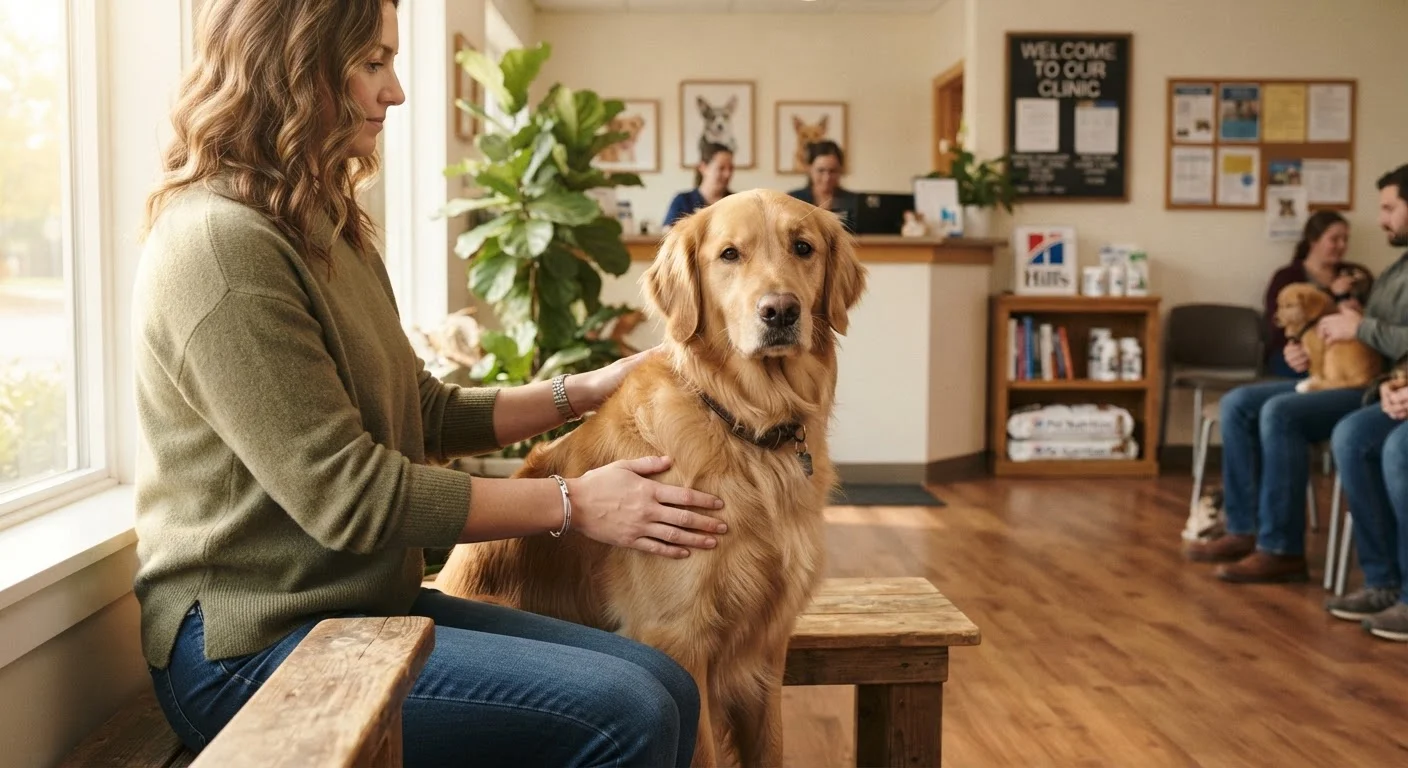
Why Vet Visits Feel Stressful - and How to Change That
For many pets, a vet visit combines every mildly unsettling thing at once: an unfamiliar car ride, strange smells, new people, and handling they don't fully understand. For busy families, that anxiety is contagious - a stressed pet can mean a rushed exam, incomplete information, and a frazzled drive home.
The good news is that most of this stress is preventable. With some thoughtful preparation in the days and hours before the appointment, you can help your pet arrive calmer and your family leave more confident. Whether this is your pet's first check-up or their annual wellness visit, the steps below apply. If you're curious about what actually happens once you're in the exam room, our walkthrough of the wellness exam covers what vets assess and ask during a routine visit.
What you will need
Step-by-Step: Getting Your Pet Ready
Follow these steps in the days and hours leading up to the appointment. They're designed to fit a real family schedule - nothing here requires special equipment or hours of spare time.
Practice carrier or car time several days ahead
If your pet only sees their carrier when a vet trip is coming, the carrier itself becomes a stress trigger. Starting a few days before the appointment, leave the carrier open in a familiar room with a soft blanket or a worn t-shirt inside. For dogs, take a short car ride to somewhere neutral - not always the vet - so the car doesn't signal anxiety.
Withhold food for two to three hours before the appointment
A light stomach reduces the likelihood of car sickness and makes abdominal examination more comfortable for your pet. Check with your veterinary office first - some situations, such as diabetic pets or very young animals, may require a different approach. Water is generally fine to offer freely.
Gather health records and prepare your questions
Bring any vaccination records, previous exam notes, or documentation of medications your pet takes. Write down two or three specific questions before you leave home - exam rooms can be distracting, and it's easy to forget what you meant to ask. Note any behavioral or physical changes you've observed since the last visit, even if they seem minor.
Pack a comfort item and familiar treats
A small toy, a familiar-smelling blanket, or a few of your pet's regular treats can provide grounding in an unfamiliar environment. High-value treats - ones your pet rarely gets - can be particularly useful for reinforcing calm behavior during the exam.
Arrive a few minutes early and stay calm yourself
Rushing into the clinic adds stress before the appointment even starts. Arriving five to ten minutes early gives your pet time to sniff the environment and settle slightly before being called in. Take a slow breath yourself - pets are attuned to human stress hormones and body language, and your composure genuinely helps them regulate.
Reward your pet after the appointment
Immediately after leaving the clinic, offer praise and a treat in a calm, upbeat way. A short, pleasant walk or quiet playtime at home reinforces that the experience ends positively. Over repeated visits, this pattern helps build a more tolerant - and eventually relaxed - association with the vet.
Build Vet Familiarity Over Time
Some veterinary practices welcome 'happy visits' - short, no-exam drop-ins where your pet simply gets weighed, receives treats from staff, and leaves. These visits can dramatically reduce anxiety over time by separating the clinic from the experience of being examined. Ask your vet's office if this is something they offer.
Making the Most of the Visit Itself
Good preparation doesn't end at the waiting room door. Once you're inside, a few habits help the appointment run smoothly. Speak to your pet in a calm, even tone - they take emotional cues from you more than you might expect. Avoid hovering or showing visible anxiety, which can amplify your pet's own uncertainty.
Let the veterinary team guide the handling when possible; they're trained in low-stress techniques and know how to read animal body language. Your job is to provide information, ask questions, and offer reassurance.
This is also the moment to bring up anything you've noticed at home - changes in appetite, energy, bathroom habits, or behavior. Annual exams cover more than most families realize; see our article on commonly overlooked health areas to make sure nothing slips through. And if you want to understand the difference between a wellness exam and a sick visit before you go, this breakdown can help you set the right expectations.
This article provides general information for pet owners and is not a substitute for professional veterinary advice. Always consult your veterinarian about your individual pet's health needs.
The content provided on our blog site traverses numerous categories, offering readers valuable and practical information. Readers can use the editorial team’s research and data to gain more insights into their topics of interest. However, they are requested not to treat the articles as conclusive. The website team cannot be held responsible for differences in data or inaccuracies found across other platforms. Please also note that the site might also miss out on various schemes and offers available that the readers may find more beneficial than the ones we cover.