

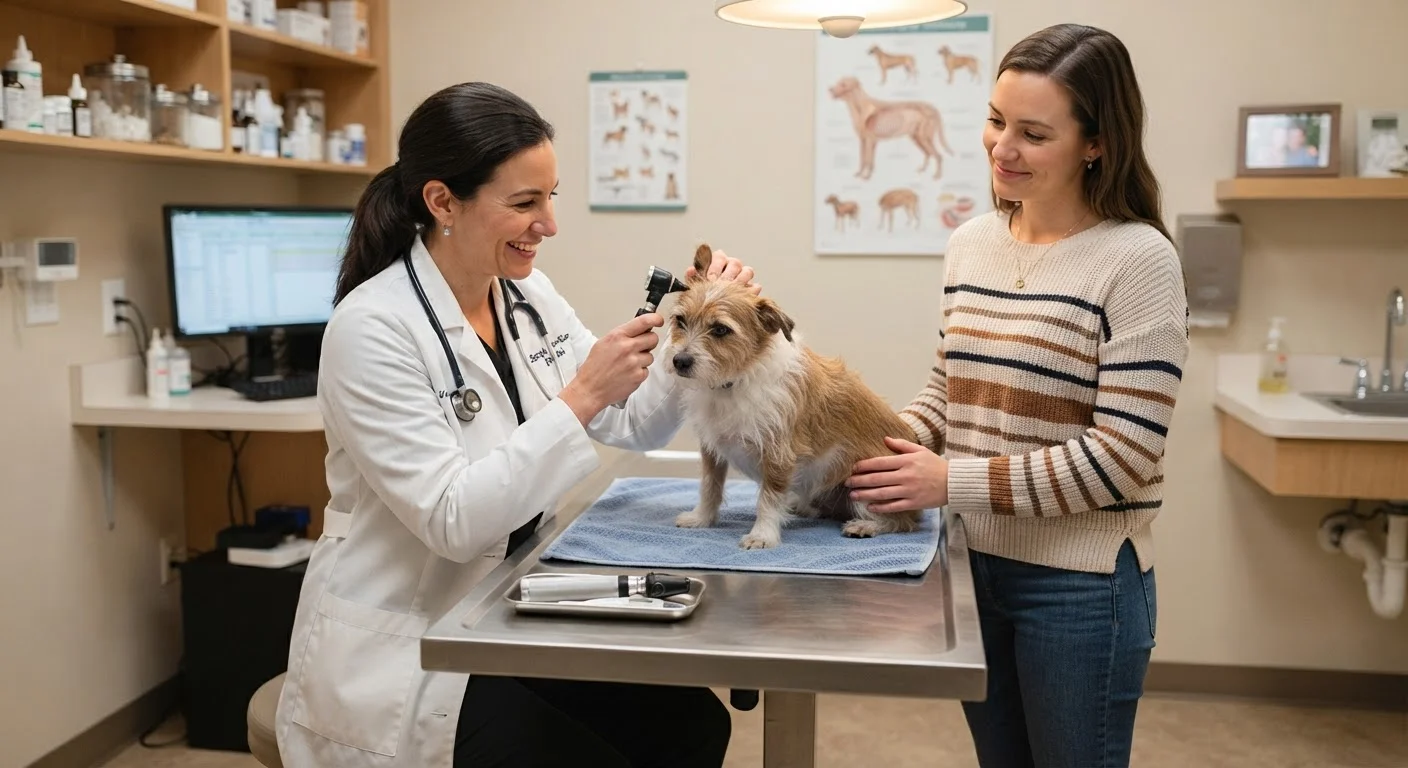
What Happens Before the Exam Even Starts
The visit begins the moment you walk through the door. A veterinary technician will usually greet you, weigh your pet, and take a brief history - asking about diet, lifestyle, medications, and any concerns you've noticed at home. This intake conversation matters more than many families realize. Vets don't live with your pet; your observations are genuinely clinical data.
Come prepared with answers to questions like: How much is your pet eating and drinking? Any changes in energy or bathroom habits? Any vomiting, coughing, limping, or scratching? If you have prior records from a breeder, shelter, or previous vet, bring those too. A family health readiness checklist can help you organize everything before that first appointment.
~70%
Pets with dental disease by age 3
According to the American Veterinary Medical Association, most dogs and cats show signs of periodontal disease by age three - one reason dental assessment is a standard part of every wellness exam.
1 in 3
Pets diagnosed with a serious illness annually
The American Animal Hospital Association notes that approximately one in three pets will experience a significant health event each year, underscoring the value of routine early-detection visits.
The Physical Exam: A System-by-System Walkthrough
When the veterinarian enters, the hands-on exam begins. It's methodical - most vets work through the same sequence every time, even if it looks casual from the outside.
- Eyes, ears, and nose: Checked for discharge, redness, cloudiness, or odor that might signal infection or early disease.
- Mouth and teeth: Dental health is closely linked to organ health. The vet will look for tartar buildup, gum inflammation, or loose teeth.
- Lymph nodes and neck: Swollen nodes can indicate infection or other systemic issues.
- Heart and lungs: A stethoscope is used to listen for murmurs, irregular rhythms, or abnormal breathing sounds.
- Abdomen: Gentle palpation helps the vet assess organ size and detect discomfort or unusual masses.
- Skin and coat: Dryness, hair loss, lumps, or parasites are noted.
- Musculoskeletal system: Joints, gait, and muscle condition are assessed, especially in older pets.
This nose-to-tail approach is why preventive care is so valuable - many early-stage conditions are only detectable by a trained examiner during a routine check.
Write Down Your Questions Beforehand
Exam room conversations move quickly, and it's easy to forget what you meant to ask once your pet is on the table. Jot down two or three questions before you leave home - about diet, behavior, or anything you've noticed. Most vets appreciate a prepared owner, and it helps you get the most out of a time-limited appointment.
Vaccines, Parasite Prevention, and Lab Work
After the physical, your vet will discuss which vaccines are due or overdue. Vaccines fall into two categories: core vaccines (recommended for virtually all pets regardless of lifestyle) and non-core vaccines (recommended based on risk factors like outdoor access, boarding, or regional disease prevalence). Your vet will explain what's being given and why - don't hesitate to ask.
Parasite prevention is usually addressed here too. Heartworm, fleas, ticks, and intestinal parasites each carry real health risks, and the vet will recommend a prevention strategy tailored to your pet's environment. A fecal sample, if you brought one, will be screened for intestinal parasites at this stage.
For pets over a certain age or with specific concerns, the vet may recommend routine bloodwork. Bloodwork can reveal a great deal about organ function and metabolic health, but it also has limits - your vet will set realistic expectations about what the results can and cannot confirm.
What You Should Walk Away Knowing
A good wellness visit ends with a clear conversation - not just a handout and a bill. Before you leave, you should understand your pet's current health status, whether any findings need monitoring or follow-up, what vaccines or treatments were given, and when to schedule the next visit.
Families are often surprised to learn how much ground a wellness exam covers. Several important health areas - dental condition, weight trends, early joint changes - commonly get missed when owners assume the visit is mainly about shots.
If anything felt rushed or unclear, it's completely appropriate to call the clinic with follow-up questions. Building an ongoing relationship with your veterinary team is one of the best things you can do for your pet's long-term health.
This article is for general informational purposes only and is not a substitute for professional veterinary advice. Always consult a licensed veterinarian regarding your individual pet's health needs.
Frequently Asked Questions
For a new pet, plan for 45 minutes to an hour. Initial visits involve more history-taking and baseline assessments than follow-up appointments. Bringing paperwork, prior records, or breeder/shelter health documents in advance can help keep things moving.
Bring any prior vaccination records, a stool sample (many vets request one for parasite screening), and a list of questions. Note any changes in appetite, thirst, energy, or bathroom habits - even small shifts are useful for the vet.
Often yes, but it depends on the pet's age, prior vaccination history, and lifestyle. Core vaccines may be given or scheduled, while non-core vaccines are recommended based on risk factors the vet discusses with you.
A wellness exam is proactive - it's designed to assess a healthy pet and catch early problems. A sick visit is reactive, focused on diagnosing and addressing a specific concern. They serve different purposes and are generally billed differently. See our <a href="/pets-family/pet-health-basics/annual-wellness-exam-vs-sick-visit-two-very-different-appointments">guide to wellness vs. sick visits</a> for more detail.
Yes, completely. New smells, sounds, and handling can stress even laid-back animals. Many vets use low-stress handling techniques. You can also ask your clinic about comfort-focused strategies before the appointment.
Most vets recommend annual exams for adult pets and semi-annual exams for senior animals or those with ongoing health concerns. Puppies and kittens typically need a series of visits in their first year.
The content provided on our blog site traverses numerous categories, offering readers valuable and practical information. Readers can use the editorial team’s research and data to gain more insights into their topics of interest. However, they are requested not to treat the articles as conclusive. The website team cannot be held responsible for differences in data or inaccuracies found across other platforms. Please also note that the site might also miss out on various schemes and offers available that the readers may find more beneficial than the ones we cover.