

Our Verdict
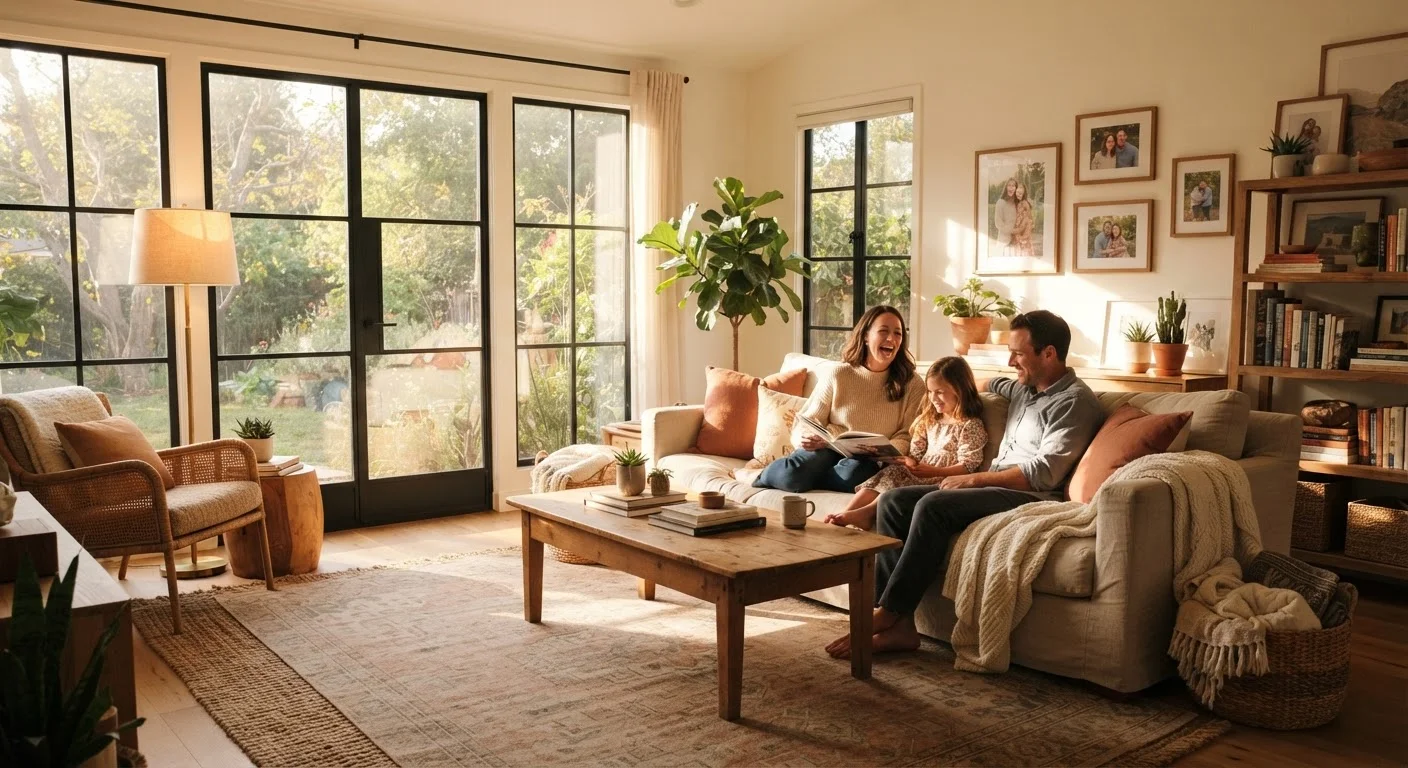
Neither natural nor artificial light is universally superior - each has strengths the other lacks. Natural light supports mood, colour accuracy, and a sense of openness, while artificial lighting provides reliability, flexibility, and control after dark or in windowless spaces. The most comfortable rooms for families use both in a layered, intentional way.
| Best for | Recommended |
|---|---|
| Rooms used primarily during daytime hours | Natural Light (maximised) |
| Spaces needing consistent, task-focused illumination | Artificial Light (layered) |
| Open-plan living areas serving multiple functions | Both - balanced and zoned |
| North-facing or basement rooms with limited windows | Artificial Light (warm-toned) |
What Makes Natural Light Unique
Daylight is dynamic. It shifts in intensity, angle, and colour temperature from dawn to dusk - and those changes profoundly affect how a room feels. Morning light tends to be cooler and bluer, while afternoon sun turns warmer and more golden. This variation gives rooms a lived-in, connected-to-the-outside quality that artificial sources can't fully replicate.
Natural light also renders colours more accurately than most electric bulbs. Paint swatches chosen under showroom lighting often look noticeably different once a wall dries and catches direct sunlight. If you're selecting wall colours, understanding this interaction is essential - our guide on how paint affects a room's perceived size covers this relationship in detail.
From a wellbeing standpoint, exposure to daylight is associated with supporting circadian rhythms - the body's internal clock that influences sleep and alertness. That said, the extent of benefit depends on how much light actually enters a room, which is governed by window size, orientation, and any obstructions like trees or neighboring buildings.
Test Paint Colours in Changing Light
Before committing to a wall colour, observe a large test swatch at multiple times of day - morning, midday, and evening under your artificial lights. The same paint can look dramatically different depending on the light source and time of day. This simple step prevents costly repainting surprises.
The Role and Range of Artificial Lighting
Where natural light is unpredictable, artificial lighting is controllable. You can adjust brightness, direction, and colour temperature at any time of day - which makes it essential for evening routines, windowless bathrooms, and spaces that need consistent illumination regardless of weather.
Artificial light sources vary significantly. Bulb colour temperature, measured in Kelvins (K), ranges from warm amber tones (around 2700K) to cool daylight-mimicking whites (5000K and above). Warm light tends to feel cozy and relaxed - good for bedrooms and living rooms. Cooler light promotes alertness and is often better suited for home offices or kitchens.
Layering light - combining overhead fixtures, task lamps, and accent lighting - gives a room depth and flexibility. A single overhead bulb creates flat, often harsh illumination. Adding a floor lamp in a corner and under-cabinet lighting in a kitchen produces a far more welcoming and functional space. For more on what happens when rooms lack enough layers, see our piece on the hidden cost of under-lighting a room.
| Natural Light | Artificial Light | |
|---|---|---|
| Consistency | Varies by time, weather, season | Consistent and controllable |
| Colour rendering | Highest accuracy, especially midday | Varies by bulb type and Kelvin rating |
| Mood effect | Energising, uplifting, feels open | Depends on temperature and layering |
| Cost to use | Free once windows are in place | Ongoing electricity cost |
| Controllability | Limited - direction and amount fixed | Full control over intensity and timing |
| Evening/night usability | Not available | Essential and fully functional |
| Impact on perceived room size | Makes spaces feel larger and airier | Depends on placement and brightness |
How to Balance Both in a Family Home
Most rooms benefit most from treating natural and artificial light as partners rather than alternatives. The practical starting point is understanding what each room receives naturally - south-facing rooms get more direct sun throughout the day, while north-facing spaces rely more heavily on reflected, diffused light.
In open-plan spaces, light zoning becomes especially important. Different areas of the same room often serve different purposes - eating, working, relaxing - and the lighting should reflect that. Our article on zoning a room without walls explores how lighting can define those functional zones without any structural changes.
A few practical strategies that work well for families:
- Use sheer curtains rather than blackout blinds in daytime living areas to diffuse glare while keeping the room bright.
- Install dimmer switches on overhead lights so you can transition smoothly from active daytime settings to quieter evening moods.
- Position task lighting - desk lamps, reading lights - to supplement, not fight against, the natural light in a room.
- Match bulb temperature to room use: warmer tones for relaxation spaces, cooler tones where concentration matters.
The goal isn't to maximise one type of light - it's to ensure every room works well at every hour of the day for everyone using it.
2700K-3000K
Ideal bulb temperature for relaxing rooms
Lighting designers generally recommend warm white bulbs in this Kelvin range for living rooms and bedrooms to create a cozy, welcoming atmosphere.
~30%
Of waking hours spent in living/family rooms
Research into household time-use patterns suggests families spend a significant portion of indoor time in shared living spaces, making lighting quality in these rooms especially impactful.
The content provided on our blog site traverses numerous categories, offering readers valuable and practical information. Readers can use the editorial team’s research and data to gain more insights into their topics of interest. However, they are requested not to treat the articles as conclusive. The website team cannot be held responsible for differences in data or inaccuracies found across other platforms. Please also note that the site might also miss out on various schemes and offers available that the readers may find more beneficial than the ones we cover.