

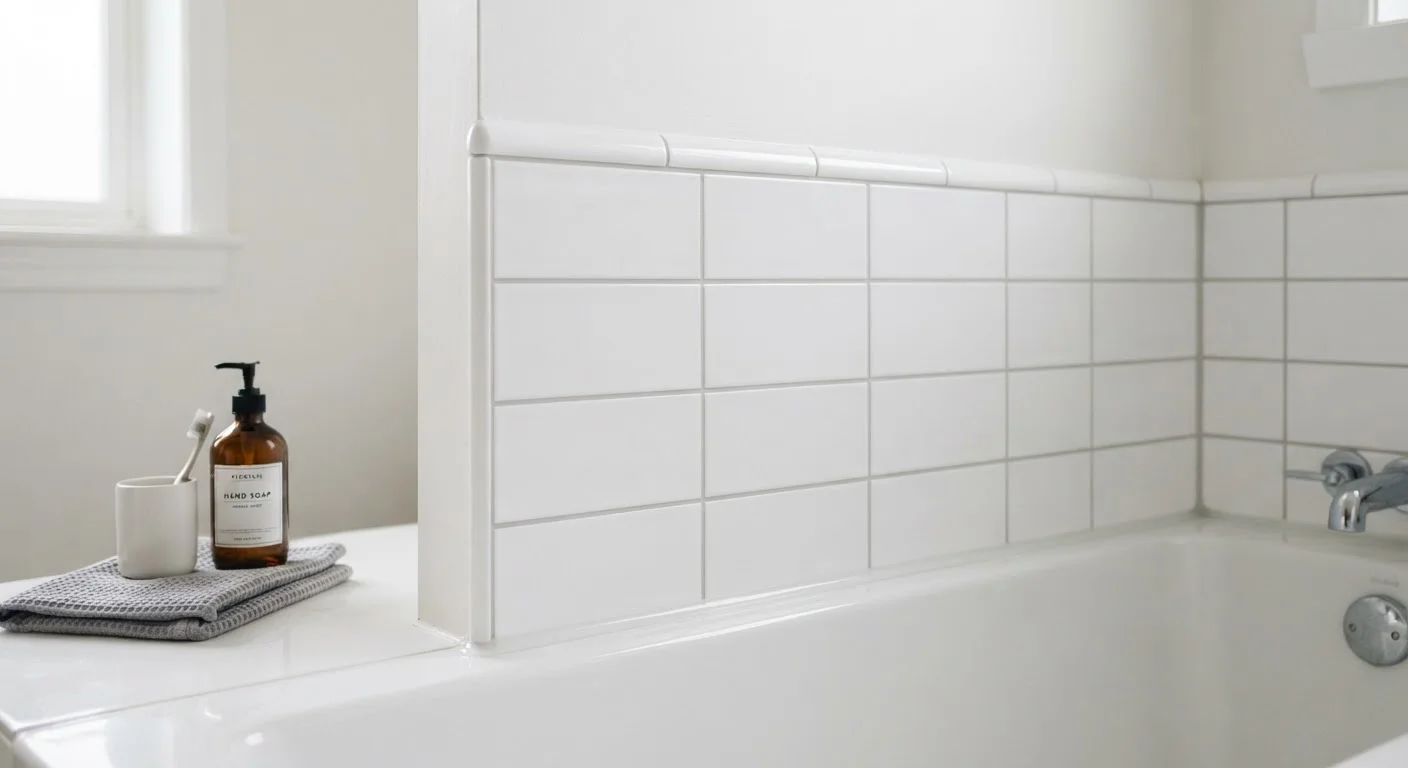
Why Bathroom Surfaces Deteriorate Faster Than You'd Expect
Bathrooms endure more moisture, temperature change, and direct water contact than almost any other room in the house. Steam from showers cycles through daily, surfaces expand and contract with heat, and standing water lingers around the tub and floor tiles. All of this wears down the materials designed to protect your walls and subfloor far more quickly than most families realize.
Grout - the mortar-like filler between tiles - is naturally porous. Without a protective sealant layer, it absorbs water, soap residue, and airborne mould spores with every shower. Caulk, the flexible sealant applied at joints (where the tub meets the wall, for example), is designed to flex with the home's movement but eventually cracks, peels, or pulls away. Once either barrier fails, water finds its way behind tiles and into the wall structure, often silently. Understanding what's at stake is covered in detail in our article on how small leaks escalate into serious water damage.
The good news: the maintenance routine that prevents all of this is genuinely manageable for most households.
Best Practices for Grout, Sealant, and Tile Upkeep
The following practices form a reliable routine that keeps bathroom surfaces sound, sanitary, and long-lasting. None requires specialist skills, though some situations - like widespread tile failure or suspected structural moisture - warrant a licensed contractor.
Reseal grout lines at least once a year in high-use bathrooms.
Grout sealant breaks down over time due to repeated exposure to water, cleaning products, and temperature changes. Annual resealing closes the pores in grout before they absorb stains and moisture deeply enough to cause mould growth or tile detachment.
Inspect and replace cracked or peeling caulk at tub, shower, and floor joints every one to two years.
Caulk at movement joints is your last line of defense against water entering wall cavities. As it ages, it becomes brittle, shrinks, or grows mould that no surface cleaning can fully address. Leaving failed caulk in place is one of the most common causes of hidden bathroom water damage.
Clean grout lines regularly with pH-neutral cleaners rather than harsh acidic products.
Bleach-based or highly acidic cleaners can degrade grout and strip sealant faster than water alone would. A mild, pH-neutral cleaner removes soap scum and mildew without eating away at the grout matrix or sealant layer.
Test grout sealant annually using the water bead test.
Visual inspection alone won't tell you when a sealant has failed - grout can look fine while no longer repelling water effectively. The bead test gives you an objective, 10-second check without guesswork.
Check tiles for looseness, cracks, or hollow sounds and address them promptly.
A hollow-sounding tile - one that makes a dull thud rather than a solid click when tapped - indicates the adhesive bond underneath has failed. Water will exploit this gap aggressively. Early repair is a minor fix; delayed repair often involves removing surrounding tiles and treating moisture-damaged substrate.
Keep tile surfaces free of soap scum and mineral deposits with regular wiping.
Hard water mineral deposits (limescale) and soap scum are mildly acidic over time and will slowly etch tile glaze and grout surfaces, making them rougher and more likely to trap bacteria and mould. Regular removal prevents buildup from becoming a surface-damage problem.
Quick Wins You Can Do This Weekend
Not every improvement requires a full Saturday commitment. These high-impact actions take under an hour and make a meaningful difference to both the appearance and performance of your bathroom surfaces.
Small plumbing issues often compound surface deterioration - a slow drain keeps water sitting longer on grout and caulk than necessary. Our guide on plumbing fixes families commonly overlook covers the quick checks worth adding to your routine.
Ventilation: The Habit That Extends Every Surface's Life
No amount of sealing will compensate for poor airflow. Bathrooms without adequate ventilation trap humid air that settles into grout lines and accelerates mould growth and sealant breakdown. Running an exhaust fan during and for at least 15-20 minutes after every shower significantly reduces ambient humidity. If your bathroom lacks a functioning exhaust fan, cracking a window when possible provides meaningful relief.
When to Call a Professional
If you notice tiles that flex underfoot, a persistent musty smell that doesn't clear with ventilation, or wall surfaces that feel soft behind tiles, these are signs that moisture may already be present in the wall structure. This kind of damage goes beyond grout and sealant maintenance and should be assessed by a licensed contractor or tile professional. Attempting to tile over a moisture-compromised substrate without addressing the underlying issue can make repairs significantly more expensive. Permits or inspections are not typically required for surface grout and caulk work, but structural bathroom repairs may involve local code requirements - check with your local building authority.
Wiping down tile walls with a squeegee or dry cloth after showering takes about 30 seconds and removes a significant share of the surface moisture that would otherwise penetrate grout. Over months and years, this simple habit measurably slows deterioration. It pairs well with the kind of easy-to-overlook maintenance habits discussed in our article about routine maintenance items families tend to skip.
The content provided on our blog site traverses numerous categories, offering readers valuable and practical information. Readers can use the editorial team’s research and data to gain more insights into their topics of interest. However, they are requested not to treat the articles as conclusive. The website team cannot be held responsible for differences in data or inaccuracies found across other platforms. Please also note that the site might also miss out on various schemes and offers available that the readers may find more beneficial than the ones we cover.