

Start With the Right Destination
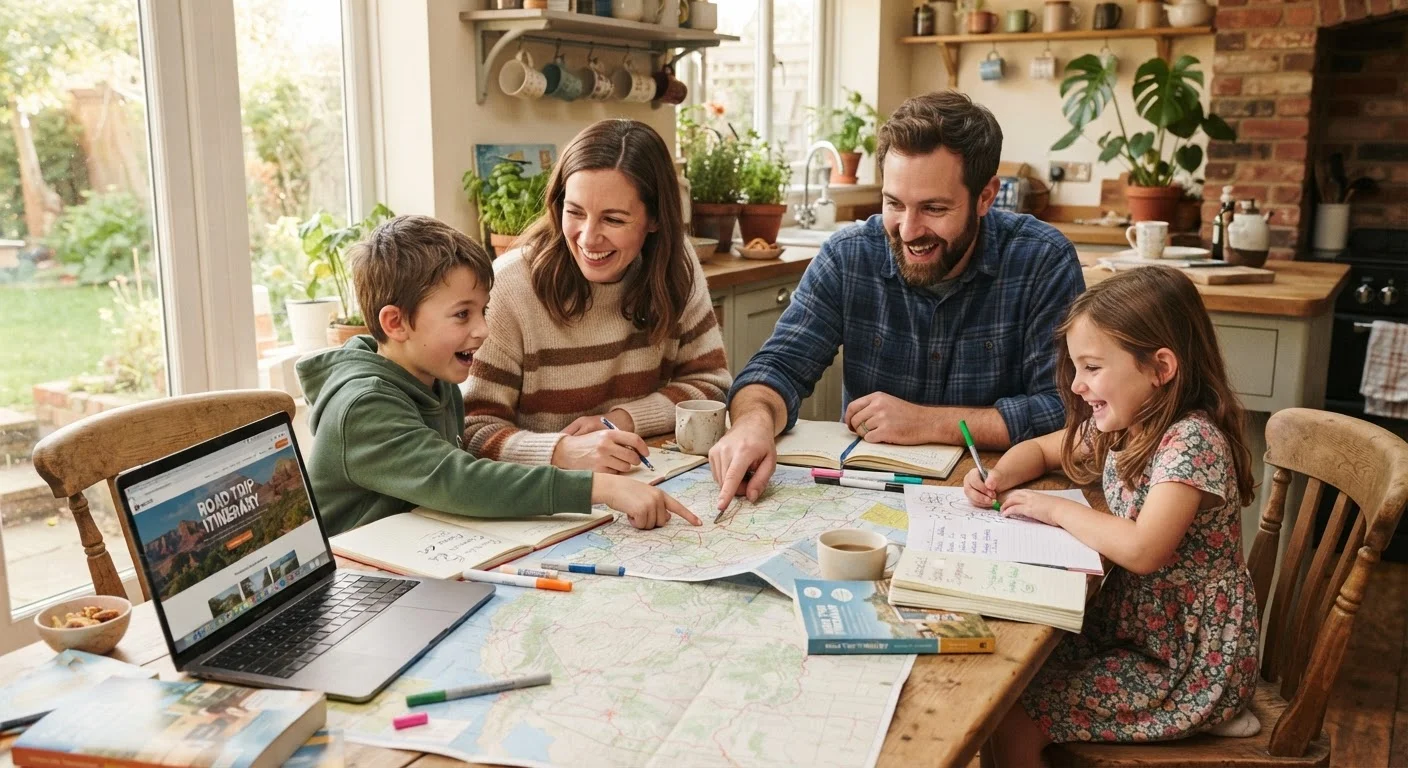
The single biggest factor in a smooth family trip is choosing a destination that genuinely fits your crew. Before you search for flights or scroll through hotel photos, get honest about a few key variables: the youngest child's stamina, any accessibility needs, and what your family actually enjoys doing together.
A beach destination might sound universally appealing, but if you have a toddler who melts down in heat and a teenager who craves activities, you'll burn energy managing mismatched expectations instead of making memories. Narrow your list to two or three realistic options, then compare them against your must-haves.
Our destination guides are a helpful starting point when you're weighing domestic versus international options. If international travel is on the table, the practical intro to international travel with kids covers passports, jet lag, and pacing in one place.
Involve kids in the destination vote - even just letting them choose between two options you've already vetted gives them ownership and dramatically reduces in-trip complaints.
Children who feel heard during planning tend to be more cooperative and enthusiastic once the trip is underway, which makes the experience better for everyone.
Create a simple shared note (a phone app works fine) where every family member can add activity ideas before the trip - then use it to build the flexible itinerary together.
Collaborative planning surfaces preferences you might not have known about and ensures no one spends the trip feeling like their interests were ignored.
Set a Realistic Budget Early
Nothing derails family travel enthusiasm faster than sticker shock mid-trip. Before you commit to any destination, sketch out a full cost picture - transportation, lodging, meals, activities, and a contingency buffer of around 10-15%.
Families often underestimate day-to-day spending: entry fees, snacks, parking, and souvenirs add up quickly. If you're working with a tight budget, our guide to budget family travel breaks down what actually separates successful low-cost trips from stressful ones. For a full cost-to-finish planning approach, budget family travel end to end is worth bookmarking.
72%
Families who go over their travel budget
A widely cited travel industry survey found nearly three-quarters of families exceed their planned travel budget, most commonly due to underestimating daily spending.
10-15%
Recommended contingency buffer
Travel planning experts generally recommend adding a 10-15% buffer to your total estimated trip cost to cover unexpected expenses.
Build a Timeline That Actually Works
Planning too early or too late creates its own kind of chaos. Most families do well booking primary accommodations and transportation two to four months ahead for domestic travel, and four to six months out for international trips. That window gives you meaningful options without locking in plans that might change as school calendars and work schedules shift.
Build your itinerary loosely - slot in one or two anchor activities per day and leave the rest flexible. Over-scheduling is one of the most common family travel mistakes, and it almost always leads to cranky kids and frustrated adults. See what other planning errors to watch for in this guide on common family travel planning mistakes.
A shared digital document or family travel folder - with confirmation numbers, accommodation addresses, and key contacts - keeps everyone on the same page without anyone having to dig through emails at the airport.
Nail the Logistics Without the Stress
Logistics are where good intentions meet reality. Work through these in order: How are you getting there? Where are you staying each night? What does the first day look like on the ground?
For road trips, map your drive time against realistic family stamina - not GPS's optimistic estimate. A five-hour drive with two kids often becomes seven hours, and that's okay if you plan for it with rest stops and snack breaks built in. For flights, booking seats together in advance is worth the extra effort; airlines are not obligated to seat families together without it.
Verify any entry requirements, travel advisories, or health documentation well before departure by checking official government sources such as the U.S. Department of State and the CDC. Requirements change, and official sources are the only reliable place to confirm them.
Never Rely on Airline Websites for Entry Requirements
Visa requirements, vaccination rules, and travel advisories change frequently and vary by nationality, destination, and even purpose of visit. Always verify entry requirements directly through the U.S. Department of State (travel.state.gov) and the destination country's official immigration authority. Airline check-in staff may refuse boarding if documentation is incomplete, regardless of what third-party sites told you.
Pack Smart, Not Heavy
Overpacking is a near-universal family travel experience, and it costs you time, energy, and sometimes money in baggage fees. The fix is deceptively simple: build a master packing list and use it every trip, refining it as you go.
Assign each family member (kids included) responsibility for their own carry-on or daypack. It builds independence and cuts down on the default of one parent hauling everything. For a deeper dive into what actually works, the packing habits experienced family travelers swear by is packed with practical strategies.
If international travel is new to your family, planning your first family trip abroad covers packing essentials alongside documents and health prep in one cohesive guide.
The Week Before You Leave
The final week before departure is where preparation pays off - or where last-minute chaos takes over. Use a simple pre-departure checklist to avoid both. Confirm all reservations, check passport expiration dates (many countries require six months of remaining validity), notify your bank of travel dates, and arrange pet or plant care.
Prepare a travel day kit with snacks, entertainment, medications, and any documents you'll need accessible - not buried in a checked bag. If you've set up a well-organized entryway at home, staging your gear there the night before makes departure morning dramatically calmer.
The goal isn't a perfect trip - it's a well-prepared one. Families who plan thoughtfully spend far less energy managing problems and far more time actually enjoying where they are. Start with the right destination, set a real budget, and build in flexibility, and the rest tends to fall into place.
The content provided on our blog site traverses numerous categories, offering readers valuable and practical information. Readers can use the editorial team’s research and data to gain more insights into their topics of interest. However, they are requested not to treat the articles as conclusive. The website team cannot be held responsible for differences in data or inaccuracies found across other platforms. Please also note that the site might also miss out on various schemes and offers available that the readers may find more beneficial than the ones we cover.