

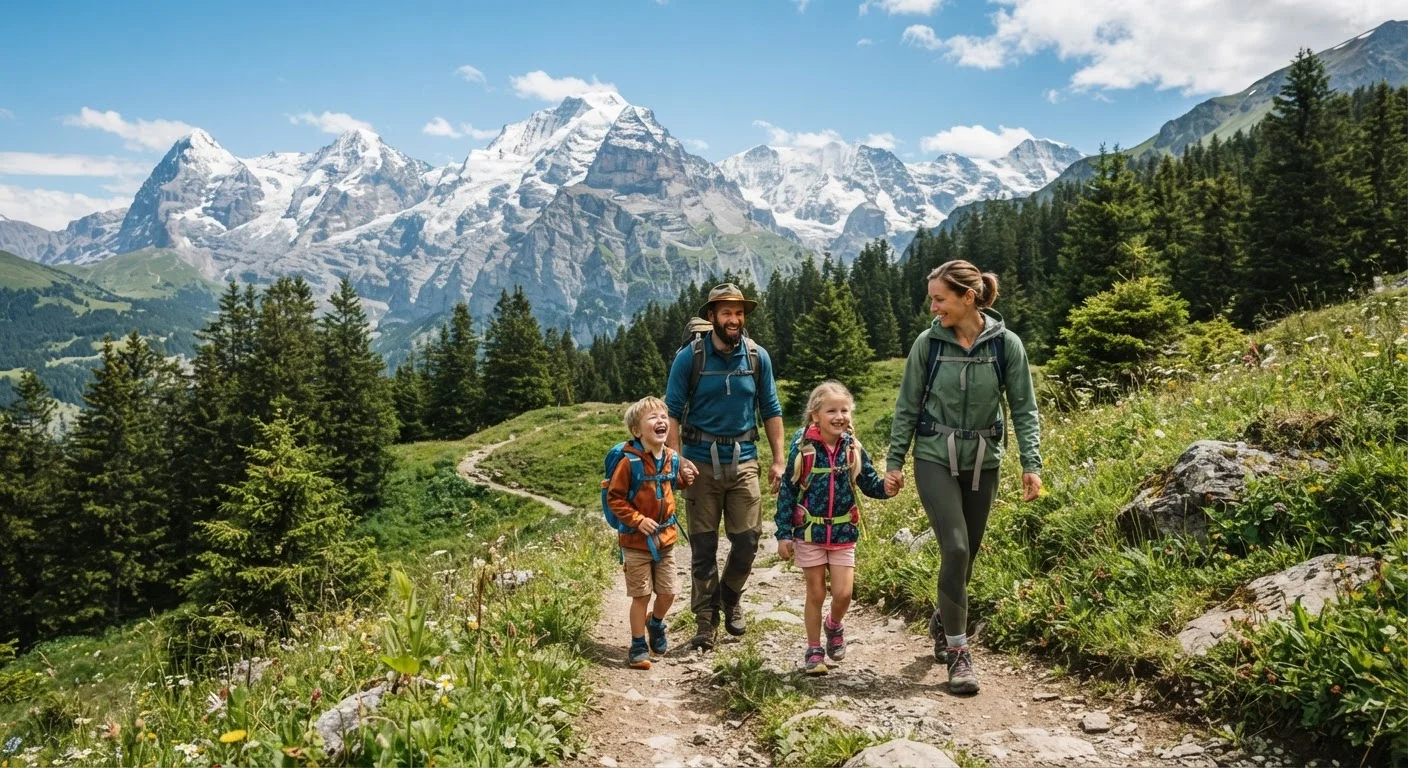
Why Altitude Hits Differently at Family Scale
Mountain vacations rank among the most memorable family experiences - fresh air, jaw-dropping scenery, and activities that get everyone moving. But elevation introduces a variable that many families don't think through until someone's child is curled up with a headache on day one of a dream ski trip.
The core issue is oxygen. At higher elevations, the air contains fewer oxygen molecules per breath. Adults experience this too, but children - particularly younger ones - may not have the vocabulary to say "my head hurts" or "I feel weird." Instead, parents might see a usually cheerful kid become clingy, refuse to eat, or sleep far more (or less) than normal.
This doesn't mean mountain destinations are off-limits for families. It means altitude deserves real consideration in the planning stage - right alongside where you're staying and what you're doing. See our comparison of mountain and beach vacations if you're still choosing between destinations.
~8,000 ft
Elevation where AMS risk increases noticeably
Travel medicine guidelines broadly identify 8,000 feet (2,400 m) as a threshold where acclimatization strategies become important for all travelers, including children.
24-48 hrs
Typical acclimatization window for mild symptoms
Most healthy individuals - adults and children alike - begin meaningful physiological adjustment within one to two days at a stable elevation, according to general altitude medicine principles.
~25%
Travelers affected by AMS at elevations above 8,000 ft
General altitude medicine literature estimates that roughly one in four visitors to high-elevation destinations experience some degree of acute mountain sickness, regardless of age or fitness.
What the Science Actually Says About Kids and Altitude
Research on pediatric altitude sickness is still evolving, but current evidence suggests children are not inherently more vulnerable than adults - the susceptibility is roughly comparable. What differs is the communication gap. A 4-year-old showing AMS symptoms may simply seem cranky or tired, making it easy to mistake altitude sickness for exhaustion from travel.
Key factors that influence whether a child is affected include the speed of ascent (driving or flying directly to a high-altitude destination is harder on the body than a gradual approach), the elevation of sleeping accommodations (the body acclimates most during rest), and any underlying health conditions such as asthma, anemia, or cardiac issues.
For general children's wellness guidance, always start with your pediatrician - and that's especially true before any trip involving significant elevation change. This article is for general informational purposes and is not a substitute for medical advice.
“The best predictor of altitude sickness is not age or fitness - it's how fast you ascend. Giving the body time to adjust at intermediate elevations is the single most effective strategy families can use.”
— Wilderness Medicine Expert, General principle reflected across altitude medicine literature and wilderness travel guidelines
Choosing the Right Altitude for Your Family's Trip
Not all mountain destinations are created equal in terms of elevation stress. Here's a practical way to think about it:
- Under 5,000 feet: Minimal altitude concern for most healthy children. Think Asheville, NC or foothills destinations in the mid-Atlantic states.
- 5,000-7,500 feet: Some children may feel mild effects. Denver (5,280 ft) falls here - most kids adjust within a day. A rest day on arrival is wise.
- Above 8,000 feet: This is where AMS risk increases meaningfully. Many Colorado ski resorts, Rocky Mountain National Park trailheads, and parts of Utah and Wyoming sit in this range. A staged ascent - spending night one at a lower-elevation gateway town - can make a real difference.
Families with infants, children with respiratory conditions, or kids who have had altitude issues before should speak with a healthcare provider before heading to higher-elevation destinations. The choice between driving and flying also affects altitude exposure - a road trip through foothills is a gentler ascent than landing directly at a high-elevation airport.
On-the-Ground Strategies That Actually Help
Once you've picked your destination, a few practical moves can make high-altitude days significantly smoother for kids:
- Hydrate proactively. Dry mountain air accelerates dehydration, which worsens altitude symptoms. Bring water bottles everywhere and make drinking a consistent habit - not just when kids say they're thirsty.
- Take it easy on day one. Resist the urge to pack arrival day with activities. A low-key afternoon gives little bodies time to begin adjusting before you ask them to hike or ski.
- Sleep low when possible. If your plans involve day trips to higher elevations, sleeping at a lower base each night significantly aids acclimatization.
- Watch for symptoms - and take them seriously. Persistent headache, vomiting, confusion, or trouble walking are red flags requiring descent and medical attention, not a wait-and-see approach.
- Skip the overexertion temptation. Mountain air feels invigorating - until it doesn't. Pacing activities on high-elevation days protects everyone, not just the littlest hikers.
Finding low-key, low-cost activities at your destination makes it easier to build in genuine rest time without anyone feeling like they're missing out.
This article is for general informational purposes only and does not constitute medical advice. Always consult a qualified healthcare provider before traveling to high-altitude destinations with children, particularly infants or kids with existing health conditions.
Frequently Asked Questions
Most travel medicine guidelines suggest that altitudes above 8,000 feet (about 2,400 meters) are where AMS becomes more likely. Many popular mountain destinations - including several Colorado ski towns - sit above this threshold. Below that, symptoms are uncommon for healthy children.
Yes, infants and toddlers can be affected, and they're especially challenging because they cannot describe how they feel. Parents should watch for unusual fussiness, poor feeding, disrupted sleep, or lethargy. A pediatrician visit before a high-elevation trip with very young children is strongly recommended.
Most children begin to adjust within 24 to 48 hours at a given elevation. Gradual ascent - spending a night at a mid-elevation point before going higher - can reduce symptom severity significantly. Pushing to higher elevations too quickly is the most common trigger for AMS.
No - physical fitness does not prevent altitude sickness. Even highly active children can experience AMS. The body's response to reduced oxygen is physiological, not a reflection of fitness level or age.
Worsening headache that doesn't respond to rest or hydration, confusion, persistent vomiting, difficulty walking, or any breathing problems are serious signs. These symptoms warrant immediate descent and medical evaluation. Do not wait to see if they improve at elevation.
Yes. Destinations with lower base elevations - like foothills towns around 5,000-6,500 feet - give families more time to acclimatize before heading to higher trails. Planning activities at lower elevations on day one is a practical strategy regardless of destination.
The content provided on our blog site traverses numerous categories, offering readers valuable and practical information. Readers can use the editorial team’s research and data to gain more insights into their topics of interest. However, they are requested not to treat the articles as conclusive. The website team cannot be held responsible for differences in data or inaccuracies found across other platforms. Please also note that the site might also miss out on various schemes and offers available that the readers may find more beneficial than the ones we cover.