

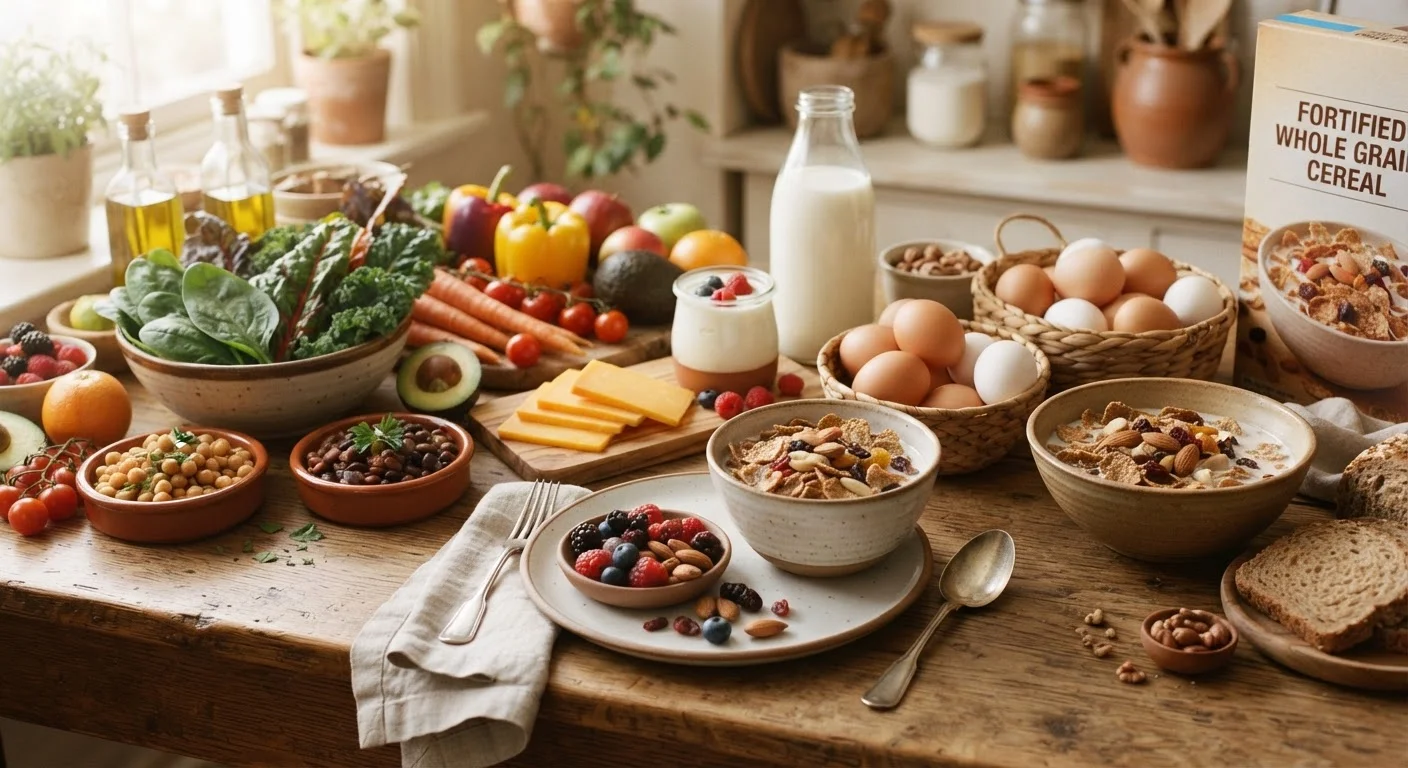
Why Nutritional Gaps Happen - Even in Well-Fed Kids
Most American children have enough to eat, yet national dietary surveys consistently show that several key nutrients fall short of recommended intakes. This isn't a failure of parenting - it reflects predictable patterns: children's food preferences narrow during toddlerhood, ultra-processed snacks crowd out nutrient-dense options, and growth spurts create demand that even a balanced diet can sometimes struggle to meet.
Understanding which nutrients are most often lacking - and why they matter - gives families a practical place to focus. It also helps to pair this knowledge with broader habits. The approach to building healthy eating habits your family uses at the table can quietly determine how much variety a child is willing to try over time.
Below are the four nutritional gaps that appear most reliably in research on children's diets, along with the foods that naturally address each one.
Iron
Iron is essential for producing haemoglobin - the protein in red blood cells that carries oxygen throughout the body. During periods of rapid growth, particularly in toddlers and adolescent girls, demand for iron rises sharply. When intake doesn't keep pace, children may experience fatigue, difficulty concentrating, and reduced immunity.
The challenge is that iron-rich foods - red meat, dark leafy greens, legumes, and fortified cereals - aren't always toddler favourites. Plant-based iron (non-haem iron) is also less readily absorbed than the iron found in meat, so children following vegetarian or vegan diets need particular attention here. Pairing plant iron sources with vitamin C-rich foods (such as bell peppers or strawberries) helps improve absorption.
Good food sources: lean beef, chicken, lentils, kidney beans, spinach, fortified breakfast cereals, tofu.
Pairing plant-based iron with vitamin C-rich foods can meaningfully improve how well the body absorbs it.
Vitamin D
Vitamin D supports calcium absorption, bone development, immune function, and - emerging research suggests - mood regulation. Despite its importance, vitamin D deficiency is one of the most prevalent nutrient shortfalls among US children, partly because very few foods naturally contain meaningful amounts of it.
Sun exposure triggers vitamin D synthesis in the skin, but factors like geographic latitude, time spent indoors, sunscreen use, and skin pigmentation all limit how much a child actually produces. The American Academy of Pediatrics (AAP) recommends that infants who are exclusively breastfed receive a vitamin D supplement, and that all children get adequate intake through diet or supplementation - but dosage decisions should always involve a healthcare provider.
Good food sources: fortified milk and plant-based milks, fortified orange juice, egg yolks, fatty fish such as salmon, fortified cereals.
Very few foods naturally contain vitamin D, making fortified options and healthcare guidance especially important for children.
Calcium
Calcium is the primary building block for bones and teeth, and approximately 90% of peak bone mass is established by early adulthood. Adolescence is a particularly critical window - the body lays down bone at an accelerated rate, and shortfalls during these years can have lasting consequences for skeletal health.
Dairy products remain the most concentrated dietary source of calcium in the typical American diet, but children who avoid dairy - whether due to lactose intolerance, allergy, or preference - can meet their needs through fortified alternatives and a range of plant foods. It's worth noting that calcium and vitamin D work closely together: adequate vitamin D is needed for the body to absorb and use calcium effectively.
Good food sources: milk, yogurt, cheese, calcium-fortified plant milks, calcium-set tofu, canned salmon with bones, broccoli, kale, bok choy.
The bones built during childhood and adolescence form the foundation of skeletal health for decades to come.
Dietary Fibre
Fibre supports digestive health, helps regulate blood sugar, feeds beneficial gut bacteria, and contributes to a healthy weight trajectory. Yet surveys consistently show that most US children consume well below the recommended amount - a pattern closely linked to high intake of refined grains, processed snacks, and low vegetable consumption.
The good news is that fibre is found in an enormous variety of foods, many of which children enjoy. Whole fruits (not just juice), vegetables, beans, whole-grain bread and pasta, and oats are all accessible, affordable sources. Increasing fibre gradually - rather than all at once - and ensuring adequate fluid intake helps avoid digestive discomfort during the transition.
Good food sources: apples, pears, berries, carrots, peas, chickpeas, black beans, oatmeal, whole-grain bread, popcorn.
Fibre-rich whole foods also nourish the gut microbiome, which plays a broader role in immune and digestive health.
Potassium
Potassium often flies under the radar, but it plays a vital role in heart function, muscle contraction, and fluid balance. National nutrition data indicate that most children - and adults - fall short of recommended intake, largely because the foods richest in potassium (fruits, vegetables, and legumes) tend to be under-represented in everyday meals.
Unlike some nutrients, potassium isn't routinely tested for in paediatric check-ups, so low intake can persist quietly. The practical solution is the same as for fibre: more whole plant foods. Many potassium-rich options are also naturally sweet or mild-tasting, making them easier sells for younger palates.
Good food sources: bananas, oranges, potatoes, sweet potatoes, avocado, white beans, lentils, plain yogurt, spinach.
Potassium is easy to overlook, yet getting enough is as simple as adding more fruits, vegetables, and beans to meals.
Putting It All Together
No single meal or food will close every gap at once, and that's perfectly fine. Small, consistent shifts - adding a handful of beans to a pasta dish, swapping a sugary drink for fortified milk, or offering fruit alongside a meal - compound meaningfully over weeks and months.
Start with food first, supplements second
Whole foods deliver nutrients alongside fibre, antioxidants, and other compounds that work together in ways supplements can't fully replicate. Before adding a multivitamin or individual supplement to your child's routine, discuss it with your paediatrician - they can determine whether a supplement is genuinely needed and recommend an appropriate form and amount for your child's age and weight.
If you have concerns about your child's intake or notice signs like persistent fatigue, frequent illness, or slow growth, it's always worth raising the question with your paediatrician. Blood tests can identify true deficiencies, and a registered dietitian can map out a realistic plan for your family's specific eating style. Understanding how your child is growing overall can also provide useful context - our guide to reading growth charts explains what paediatricians track and why. For more guidance on evaluating the foods you buy, reading food labels with kids in mind can help you decode what those numbers really mean.
This article is for general informational purposes only and does not constitute medical or dietary advice. Always consult a qualified healthcare professional before making changes to your child's diet or beginning any supplementation.
The content provided on our blog site traverses numerous categories, offering readers valuable and practical information. Readers can use the editorial team’s research and data to gain more insights into their topics of interest. However, they are requested not to treat the articles as conclusive. The website team cannot be held responsible for differences in data or inaccuracies found across other platforms. Please also note that the site might also miss out on various schemes and offers available that the readers may find more beneficial than the ones we cover.