

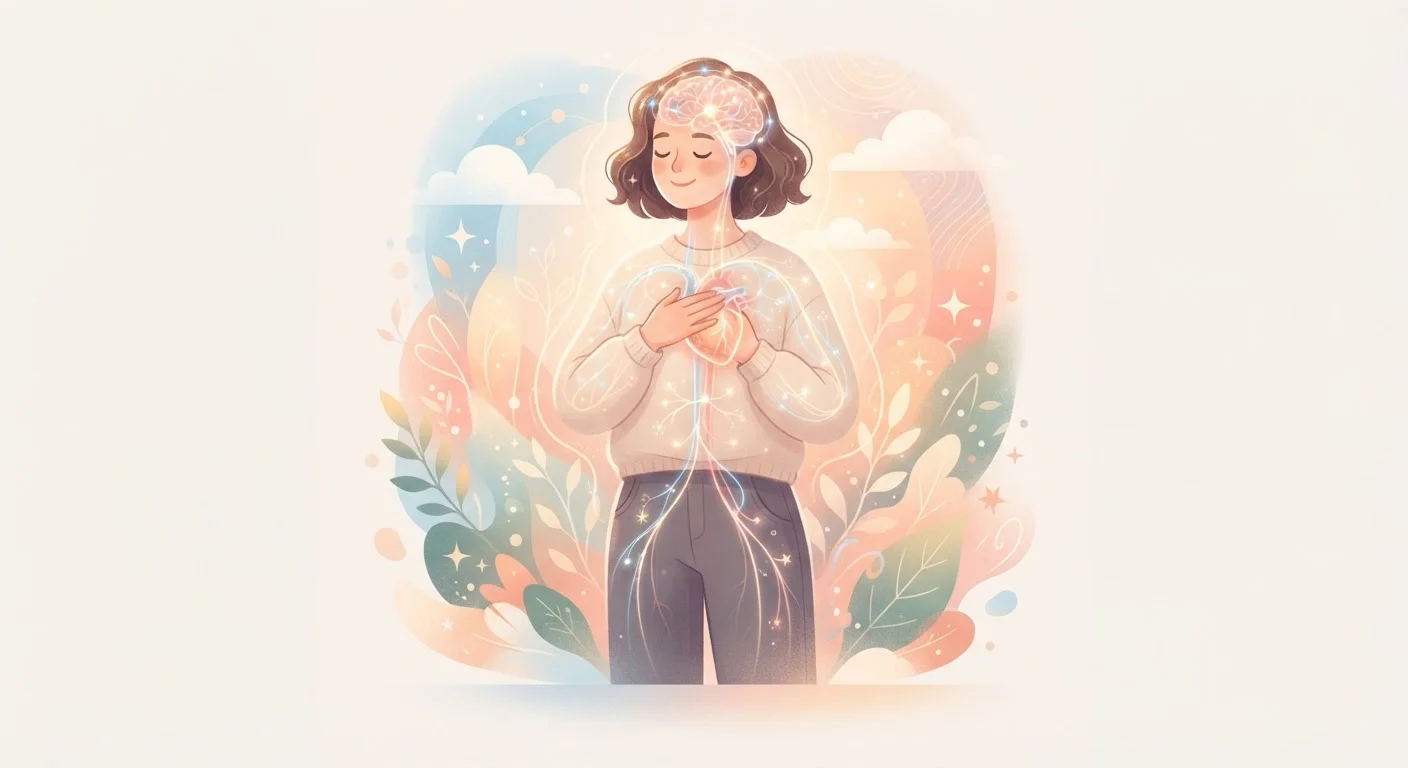
Why the Separation Between Mind and Body Is Misleading
For much of medical history, mental and physical health were treated as distinct domains - you saw one type of specialist for your body and another for your mind. That separation made administrative sense, but it doesn't reflect how human biology actually works.
Modern research across cardiology, immunology, psychiatry, and neuroscience consistently shows that what happens in the brain influences the body - and what happens in the body shapes the brain. Understanding this isn't just academically interesting; it changes how families can think about their health in practical, everyday terms.
To understand what mental health actually encompasses for your household, see our guide to what mental health means for families.
This Is General Health Education
The information in this article reflects broad research findings and is intended for general educational purposes. It does not constitute medical advice and should not replace a conversation with your healthcare provider. If you have concerns about your own or a family member's mental or physical health, a qualified professional is the right starting point.
How Stress Moves Through the Body
Stress is one of the clearest examples of the mind-body overlap. When the brain perceives a threat - whether it's a work deadline or a difficult conversation - the body's stress response activates. Hormones like cortisol and adrenaline are released, heart rate increases, and digestion slows. This is a normal, protective mechanism designed for short-term challenges.
The problem arises when stress becomes chronic. Sustained activation of these systems is associated with elevated inflammation, disrupted sleep, weakened immune response, and higher cardiovascular risk. Research in psychoneuroimmunology - the study of how psychological states affect immune function - has produced substantial evidence supporting these connections.
Families navigating prolonged stressors, such as caring for a struggling partner, may find it useful to read about supporting a partner's mental health without losing your own.
~1 in 3
People with chronic illness who develop depression
Research reviews estimate that depression occurs in roughly one-third of people living with a chronic medical condition, according to broadly cited health literature.
30+ minutes
Weekly physical activity linked to mood benefits
Public health guidelines from organizations such as the CDC associate regular moderate physical activity with reduced symptoms of anxiety and depression in adults.
Physical Conditions That Shape Mental Wellbeing
The relationship isn't one-directional. Physical health challenges frequently affect mood, cognition, and emotional resilience. People managing chronic pain, for example, experience significantly higher rates of depression and anxiety - not because they're mentally fragile, but because persistent pain and the limitations it creates genuinely strain psychological resources.
Similarly, conditions involving hormonal shifts - thyroid disorders, for instance - are well known to produce mood changes. Disrupted sleep, whether from illness, a new baby, or a demanding schedule, measurably impairs emotional regulation. And the evidence that gut health influences mood through the gut-brain axis continues to grow, though this remains an active area of research rather than settled science.
For a broader look at how emotional needs shift at different life stages, our guide to mental wellbeing across the family lifespan offers useful context.
Habits That Serve Both Systems at Once
One practical benefit of understanding the mind-body connection is that many health-supporting habits work across both dimensions simultaneously. Physical activity, for example, is associated with reduced symptoms of depression and anxiety, in addition to its cardiovascular and metabolic benefits. Sleep supports memory consolidation, emotional regulation, immune function, and metabolic health - all at once.
Nutrition similarly spans both domains: diets rich in vegetables, whole grains, and healthy fats are linked in research to lower depression risk, alongside their established physical health benefits. Social connection - often underrated - is associated with reduced mortality risk and better psychological outcomes.
None of these are magic solutions, and no single change guarantees an outcome. But approaching wellness as a single integrated system - rather than mental health over here and physical health over there - makes it easier for busy families to prioritize what matters most.
This article provides general health information for educational purposes only. It is not a substitute for professional medical advice, diagnosis, or treatment. Always consult a qualified healthcare provider with questions about your health or your family's wellbeing.
Frequently Asked Questions
Yes. Conditions like anxiety and depression are associated with physical symptoms including fatigue, headaches, digestive issues, and muscle tension. These are real physiological responses, not imagined. A healthcare provider can help identify whether physical symptoms have a mental health component.
Absolutely. Living with chronic pain, illness, or disability is associated with elevated rates of depression and anxiety. The relationship goes both ways - managing physical conditions well often supports better mental health outcomes, and vice versa.
Regular physical activity, consistent sleep, nutritious eating, and maintaining social connections are among the habits most consistently linked to both physical and psychological wellbeing. No single habit is a cure-all, but small, sustainable changes across these areas can accumulate meaningfully over time.
If you notice persistent physical symptoms without a clear cause, or if a health condition seems to be affecting your mood significantly, it's worth raising both aspects with your healthcare provider. They can help evaluate what's driving symptoms and whether referrals are appropriate.
Chronic stress is associated with immune system changes, elevated inflammation markers, and increased risk for several conditions including cardiovascular disease, according to broad research consensus. Short-term stress is normal and manageable; it's prolonged, unmanaged stress that research flags as concerning.
The content provided on our blog site traverses numerous categories, offering readers valuable and practical information. Readers can use the editorial team’s research and data to gain more insights into their topics of interest. However, they are requested not to treat the articles as conclusive. The website team cannot be held responsible for differences in data or inaccuracies found across other platforms. Please also note that the site might also miss out on various schemes and offers available that the readers may find more beneficial than the ones we cover.