

What Those Two Numbers Actually Mean
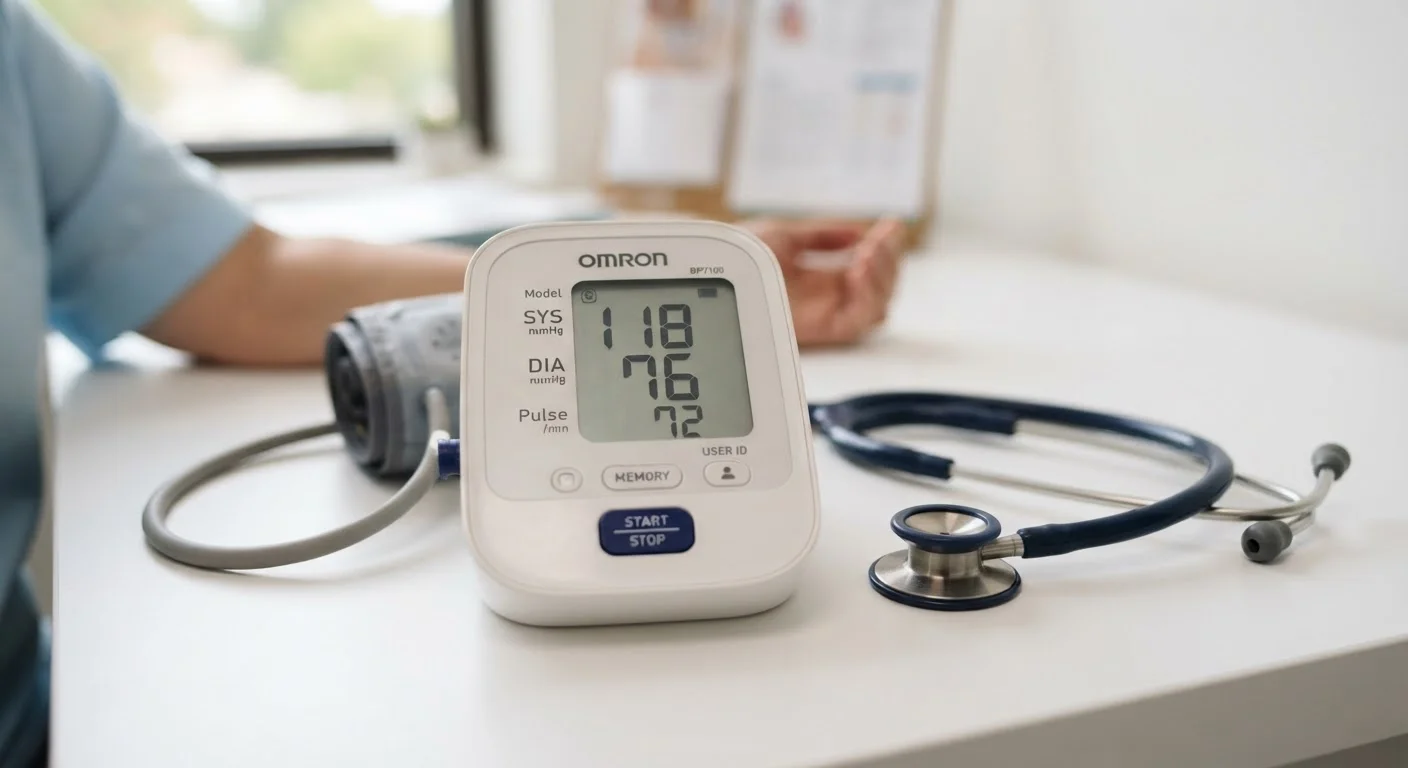
When a blood pressure reading comes back as something like 118/76 mmHg, it can feel like a foreign language. In reality, it's describing two straightforward measurements happening with every heartbeat.
The top number (systolic) measures the pressure in your arteries when your heart beats and pumps blood outward. The bottom number (diastolic) measures the pressure when your heart is at rest between beats. Both matter, and both are reported in mmHg - a unit inherited from the mercury manometers that early blood pressure devices used.
Think of it like water pressure in a garden hose: systolic is the pressure when the tap is fully open; diastolic is the residual pressure when you briefly let go.
| Normal blood pressure range | Less than 120/80 mmHg (American Heart Association) |
| Unit of measurement | mmHg (millimeters of mercury) |
| Top number measures | Heart contraction pressure (systolic) |
| Bottom number measures | Heart resting pressure (diastolic) |
| Hypertension threshold | 130/80 mmHg or higher (American Heart Association, 2017 guidelines) |
| Crisis level requiring urgent care | Above 180/120 mmHg (American Heart Association) |
The Standard Categories and What They Signal
The American Heart Association groups blood pressure into five ranges. Knowing which category a reading falls into helps you understand what your clinician may want to monitor or address.
| Category | Systolic (mmHg) | Diastolic (mmHg) |
|---|---|---|
| Normal | Less than 120 | Less than 80 |
| Elevated | 120-129 | Less than 80 |
| High - Stage 1 | 130-139 | 80-89 |
| High - Stage 2 | 140 or higher | 90 or higher |
| Hypertensive Crisis | Higher than 180 | Higher than 120 |
A single reading outside the normal range is not a diagnosis. Blood pressure fluctuates throughout the day in response to activity, stress, caffeine, and even posture. Consistent patterns across multiple readings are what clinicians use to guide decisions.
Systolic pressure
The top number in a blood pressure reading. It measures the force your heart exerts on artery walls each time it beats and pumps blood.
Diastolic pressure
The bottom number in a blood pressure reading. It measures artery pressure while the heart is resting between beats.
mmHg
Millimeters of mercury - the unit used to express blood pressure. It reflects the historical use of mercury columns to measure pressure and remains the medical standard today.
Hypertension
The clinical term for persistently high blood pressure, generally defined as readings consistently at or above 130/80 mmHg. It is a significant risk factor for heart disease and stroke.
White-coat hypertension
A pattern where blood pressure reads higher in a medical setting than at home, thought to result from the mild anxiety many people feel during clinical visits.
Hypertensive crisis
A severe spike in blood pressure - typically above 180/120 mmHg - that requires immediate medical attention. Symptoms may include severe headache, chest pain, or vision changes.
Why Your Numbers Can Vary - and When to Pay Attention
Several everyday factors cause legitimate, temporary shifts in blood pressure. Exercise, a recent meal, anxiety, a full bladder, or even cold temperatures can all push numbers higher for short periods. This is normal physiology, not cause for alarm.
White-coat hypertension - readings that are elevated in a clinical setting but normal at home - is well documented. If your doctor suspects this, they may recommend a home monitor or a 24-hour ambulatory blood pressure test to get a fuller picture.
Getting an Accurate Home Reading
For a reliable home measurement, sit quietly for five minutes before testing, keep your arm at heart level, and avoid caffeine or exercise for at least 30 minutes beforehand. Take two readings a minute apart and record both. Share your home log with your doctor - it provides context that a single office reading cannot.
Conversely, low blood pressure (generally considered below 90/60 mmHg) can cause dizziness or fainting in some people, particularly when standing up quickly. If you experience these symptoms regularly, mention them at your next appointment.
Understanding your cholesterol alongside blood pressure gives a more complete cardiovascular picture - see our guide to cholesterol numbers for a plain-language breakdown of HDL, LDL, and triglycerides.
This article is for general informational purposes only and is not a substitute for professional medical advice. Always consult a qualified healthcare provider about your individual blood pressure readings and any symptoms you experience.
The content provided on our blog site traverses numerous categories, offering readers valuable and practical information. Readers can use the editorial team’s research and data to gain more insights into their topics of interest. However, they are requested not to treat the articles as conclusive. The website team cannot be held responsible for differences in data or inaccuracies found across other platforms. Please also note that the site might also miss out on various schemes and offers available that the readers may find more beneficial than the ones we cover.