

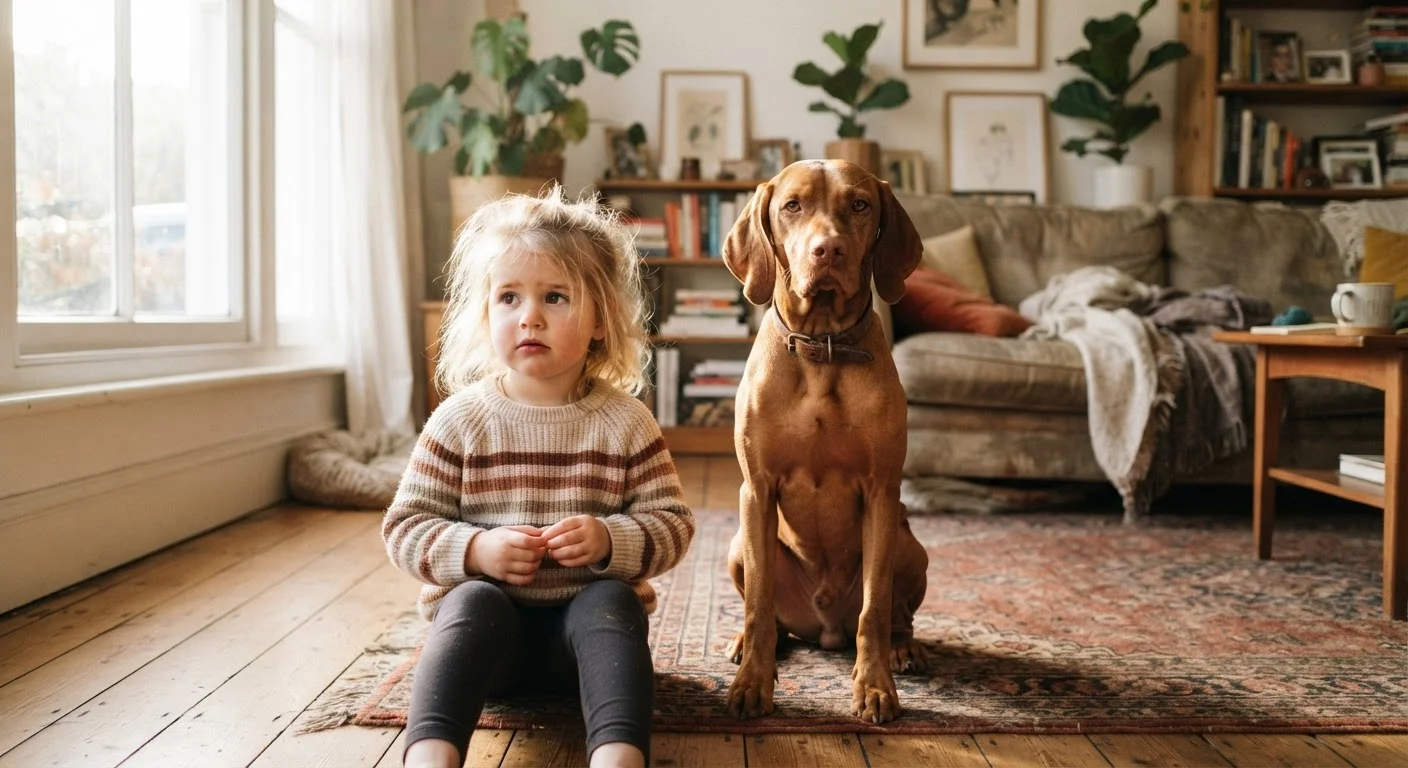
The Gap Between the Dream and the Day-to-Day
Most families who bring home a pet aren't being careless - they're being hopeful. The image of a child curled up with a dog, or proudly caring for a rabbit, is genuinely lovely. What's harder to picture in advance is the morning no one remembered to feed the cat, or the moment a well-meaning hug sends a nervous dog into a growl.
That gap - between the vision and the reality - is where families most often run into trouble. And it's almost entirely preventable, not through caution alone, but through honest expectation-setting before the pet ever comes home. If you haven't yet worked through the key questions families should answer before getting a pet, that's a useful place to start.
The myths below aren't about discouraging pet ownership. They're about replacing wishful thinking with the kind of clear-eyed understanding that actually makes family pet life work.
Myth
Getting a pet will teach my child responsibility automatically.
Fact
Children learn responsibility through guided participation - not through ownership alone.
The idea is appealing: hand a child a pet and watch them bloom into a caring, accountable little person. In practice, most children - especially under ten - lack the cognitive development to manage an animal's needs reliably without adult scaffolding. Feeding schedules get forgotten. Water bowls run dry. The pet's welfare shouldn't depend on a child's still-developing sense of consistency.
That doesn't mean children can't contribute meaningfully. Assigning age-appropriate tasks - filling a water bowl, brushing a cat, sitting calmly during a dog walk - builds real skills over time. But adults remain the responsible party. The pet is never the teaching tool; the teaching happens alongside the pet, with you guiding it.
Myth
A dog that's great with kids at the shelter will be great with our kids at home.
Fact
Shelter behavior is often heavily influenced by stress, fatigue, or unusual calm - neither predicts home behavior reliably.
Shelters are high-stimulation environments. Some dogs shut down and appear mellow; others are overstimulated and appear bouncier than they'll be once settled. A 20-minute meet-and-greet with your children tells you very little about how that dog will respond to your toddler's shrieking on day 12, or your preschooler's sudden hug from behind.
This doesn't mean shelter adoption is the wrong choice - far from it. It means families should ask detailed questions about a dog's history with children, request multiple visits, and plan for a genuine settling-in period of weeks to months. A dog behaviorist or trainer can be a valuable early investment. Learn more about how separation anxiety and adjustment behaviors can emerge in the first weeks home.
Myth
Small pets like rabbits, guinea pigs, or hamsters are perfect starter pets for young children.
Fact
Small animals are often more fragile and stress-prone than dogs or cats, and they're frequently mishandled by young children.
Small mammals are commonly marketed as low-effort, child-friendly pets - and for older, gentler children they can be rewarding. But for children under six or seven, these animals are often a poor match. They're easily injured by well-meaning but clumsy handling, they can bite when frightened, and they typically don't enjoy the kind of play young children instinctively offer.
Guinea pigs and rabbits in particular are prey animals with strong stress responses. A child who frequently picks them up or taps their enclosure isn't being cruel - they're being a child - but the animal experiences real distress. Understanding a pet's nature before choosing it matters enormously. Our complete guide to choosing the right pet walks through how to match animal temperament to your household honestly.
Myth
If we raise a pet from a baby alongside our child, they'll bond perfectly.
Fact
Raising young animals and young children together simultaneously creates two unpredictable, high-need beings - often more stress than harmony.
A puppy and a toddler might look like a heartwarming combination on screen. In real family life, both are in demanding developmental phases at the same time. Puppies bite (it's normal teething behavior, but it frightens and hurts children). Toddlers grab, shriek, and move unpredictably - which can stress or overstimulate even a well-bred puppy.
Families who choose this path often find the puppy's training suffers because time and energy are already stretched thin. Some animal behaviorists suggest that a slightly older, already-socialized dog may be a more stable companion for a family with very young children. How age and energy level should shape your pet choice is worth reading before you decide.
Myth
Once a child and pet have bonded, supervision becomes less necessary.
Fact
Even trusted, affectionate animals can react unpredictably - ongoing supervision is a long-term commitment, not a phase.
Most dog bites involving children happen with the family's own pet - not a stranger's - and often after years of apparently peaceful coexistence. An animal may tolerate a great deal before communicating discomfort, and children are not naturally fluent in reading animal body language. A dog turning away, yawning repeatedly, or showing a stiff posture is signaling stress; a child typically sees an invitation to keep playing.
Supervision doesn't mean hovering anxiously - it means being present and intervening before either the child or pet becomes overwhelmed. Teaching children to recognize stress signals in animals is a meaningful, learnable skill. Visit our Training & Behavior hub for practical guidance on reading and shaping animal behavior at home.
What Families Can Do With This Information
Understanding these realities isn't cause for alarm - it's cause for preparation. Families who go in with accurate expectations tend to build stronger, safer, and more joyful bonds with their animals than those who are blindsided by the first rough week.
No Pet Is Automatically Child-Safe
There is no breed, species, or individual animal that is guaranteed to be safe with all children in all situations. Even gentle, well-socialized pets have thresholds. Children who are taught to respect animal signals - and adults who maintain appropriate oversight - create the conditions where both child and pet can genuinely thrive together.
A few practical starting points: Talk honestly with every family member about what daily care actually involves. Visit potential pets more than once before deciding. Consult a trainer or behaviorist early, not only when problems arise. And give any new pet genuine adjustment time before drawing conclusions about their personality.
If you're already feeling uncertain about whether your household is the right fit for a particular animal, that uncertainty is worth sitting with. Eight practical factors that affect whether a pet suits your family can help you weigh it honestly. And if a placement has already gone wrong, understanding why families rehome pets can offer perspective without judgment.
The right pet for your family exists. Finding it just takes more thought than enthusiasm - and that's a good thing for everyone involved, including the animal.
The content provided on our blog site traverses numerous categories, offering readers valuable and practical information. Readers can use the editorial team’s research and data to gain more insights into their topics of interest. However, they are requested not to treat the articles as conclusive. The website team cannot be held responsible for differences in data or inaccuracies found across other platforms. Please also note that the site might also miss out on various schemes and offers available that the readers may find more beneficial than the ones we cover.