

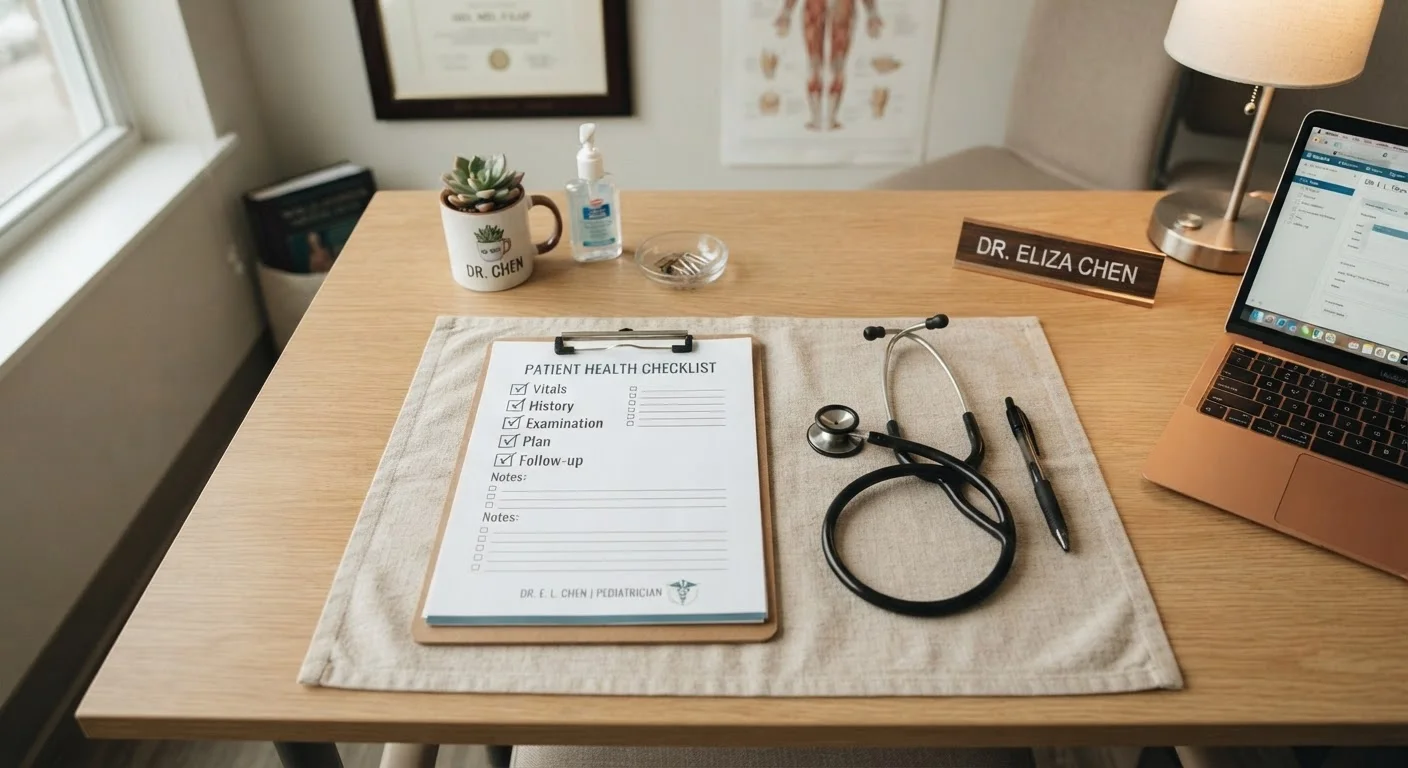
Summary
18 items · 10-20 minutes to review
Why Preventive Screenings Deserve a Spot on Your To-Do List
Preventive screenings are tests designed to detect health conditions before symptoms appear. The logic is straightforward: many serious diseases - including certain cancers, cardiovascular conditions, and diabetes - respond far better to treatment when found early. Yet surveys consistently show that a large share of eligible adults are overdue for at least one recommended screening.
Life gets busy. Between work, family, and everything else, a routine health test can feel easy to postpone - especially when you feel fine. That's exactly why a clear checklist helps. This guide covers the screenings most commonly recommended for adults in the U.S., based on guidelines from organizations such as the U.S. Preventive Services Task Force (USPSTF), the Centers for Disease Control and Prevention (CDC), and other major health bodies.
Think of this as a starting point, not a personal prescription. Every adult's situation is different, and your healthcare provider is the right person to decide which screenings apply to you and how often. If you're also thinking about your annual check-up, our guide to annual physical exams explains what that visit typically covers and why it's worth keeping.
Symptoms Change the Equation
Preventive screenings are designed for people without current symptoms. If you are experiencing pain, unusual changes in your body, or other concerning symptoms, do not wait for a routine screening slot - contact your healthcare provider promptly. Screening timelines are a guide for well adults, not a substitute for timely evaluation of active symptoms.
What Tools and Resources You'll Need
Getting organized before reviewing your screening history makes the process smoother. Here are a few things worth gathering:
Personal health records or patient portal access
Review past screening results and dates to identify which tests you may be overdue for.
Family medical history notes
Knowing whether close relatives have had conditions like heart disease, cancer, or diabetes helps your provider tailor your screening schedule.
Insurance benefits summary
Confirm which preventive screenings your plan covers, and whether referrals are needed for specialist tests.
List of current medications and supplements
Some medications affect screening results or eligibility; your provider needs an accurate picture before ordering tests.
Your Preventive Screening Checklist
Use the checklist below to review where you stand. Items are grouped by health area. Frequency notes are general guidelines - your provider may recommend different intervals based on your individual risk profile.
Heart & Blood Health
Blood Sugar & Metabolic Health
Cancer Screenings
Bone & Musculoskeletal Health
Infectious Disease & Sexual Health
Mental Health & Cognitive Wellbeing
Screening Guidelines Change - Verify With Your Provider
Health organization recommendations for preventive screenings are updated periodically as new research emerges. The guidance in this article reflects general, widely cited frameworks but may not reflect the very latest updates. Always confirm current recommendations with your primary care provider rather than relying solely on any single published resource, including this one.
Preventive screenings are just one part of the picture. Adults should also keep vaccinations current - something that's easy to overlook. Our overview of adult vaccinations covers the immunizations most commonly recommended after childhood.
Making It Easier to Stay on Track
The biggest barrier most adults face isn't willingness - it's logistics. A few simple habits can help close the gap:
- Tie screenings to a memorable date. Many people schedule their annual check-up around their birthday, making it easier to remember year to year. That visit is also a natural opportunity to review which screenings are due. See what a typical annual physical exam involves to know what to expect.
- Ask about insurance coverage. Under the Affordable Care Act (ACA), most preventive screenings recommended by the USPSTF are covered without cost-sharing for people with qualifying plans. Check with your insurer or HR department to confirm your benefits.
- Keep a health record folder. Storing results - even simple notes from your provider - helps you and future providers track trends over time.
- Bring a family member if it helps. Having support at appointments can ease anxiety and help you remember what was discussed.
Parents managing children's health alongside their own may find it helpful to compare approaches. Our well-child visit preparation guide covers what to prioritize at pediatric appointments - useful context as you think about the whole family's preventive care.
This article is for general informational and educational purposes only and does not constitute medical advice. Screening recommendations vary based on individual health history, risk factors, and clinical guidelines that change over time. Always consult a qualified healthcare provider to determine which screenings are appropriate for you and how often you should have them.
The content provided on our blog site traverses numerous categories, offering readers valuable and practical information. Readers can use the editorial team’s research and data to gain more insights into their topics of interest. However, they are requested not to treat the articles as conclusive. The website team cannot be held responsible for differences in data or inaccuracies found across other platforms. Please also note that the site might also miss out on various schemes and offers available that the readers may find more beneficial than the ones we cover.