

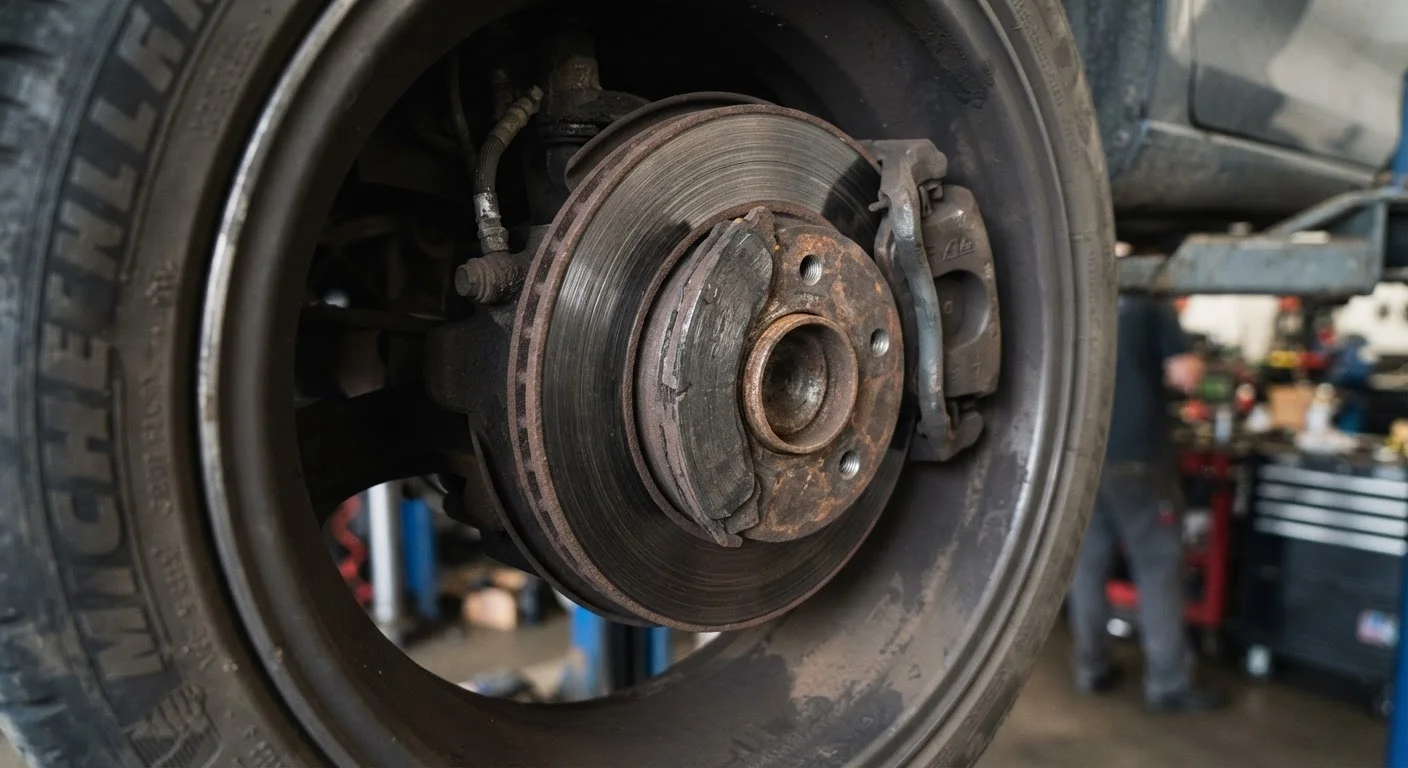
Why Uneven Brake Wear Matters More Than You Think
Brake pads are designed to wear gradually and evenly over thousands of miles. When one pad wears faster than its partner on the same axle - or when inner and outer pads show drastically different thickness - something in the braking system isn't working as intended. Ignoring it doesn't just mean buying new pads sooner; it can lead to scored rotors, brake fade, and longer stopping distances. For a family hauling kids and cargo, that's a safety concern worth taking seriously.
The good news: most causes of uneven wear are identifiable and correctable. Understanding the common mistakes that allow the problem to develop is the first step toward keeping your brakes reliable and your repair bill manageable.
How to Spot Uneven Wear Before It Becomes a Bigger Problem
You don't need a lift or special tools to catch early warning signs. Here's what to watch for:
- Vehicle pulling to one side under braking - often means one caliper is applying more force than the other.
- Grinding or squealing on only one side - a wear indicator or metal-on-metal contact localized to one wheel.
- Steering wheel vibration when braking - can indicate a warped rotor caused by uneven pad pressure over time.
- Visible thickness difference - if you can see your pads through the wheel spokes, compare inner and outer. A significant gap in thickness is a red flag.
Don't Delay if You Hear Grinding
A grinding noise when braking typically means pad material is gone and metal is contacting the rotor. Continued driving in this condition damages rotors quickly and significantly increases repair costs. Have the vehicle inspected by a mechanic as soon as safely possible - avoid highway driving until the issue is assessed.
During routine tire rotations - typically every 5,000 to 7,500 miles - ask your mechanic to visually check brake pad thickness on all four corners. This takes minutes and catches problems well before they escalate.
When to Call a Mechanic - and What to Tell Them
Brake diagnosis requires hands-on inspection. If you notice any of the warning signs above, schedule a brake inspection promptly. When you call, describe specifically which side seems affected, whether the symptom appears during light or hard braking, and how long you've noticed it. That detail helps a mechanic prioritize what to check first and can reduce diagnostic time.
Uneven Wear Affects Stopping Distance
When brake pads wear unevenly, the braking force across an axle becomes imbalanced. This can extend stopping distances and contribute to pulling during emergency stops - exactly when predictable braking matters most. Don't treat uneven wear as a cosmetic issue; it has real safety implications for your vehicle's ability to stop reliably.
A brake inspection is typically a low-cost or complimentary service at many shops - the expense comes in parts and labor if repairs are needed. Catching a sticking caliper before it destroys a rotor can save several hundred dollars. Investing in periodic inspections is one of the more straightforward ways to manage automotive costs over the life of a vehicle.
This article is for general informational purposes only. Brake system repairs involve safety-critical components - always consult a qualified, licensed mechanic for diagnosis and repair of your specific vehicle.
The content provided on our blog site traverses numerous categories, offering readers valuable and practical information. Readers can use the editorial team’s research and data to gain more insights into their topics of interest. However, they are requested not to treat the articles as conclusive. The website team cannot be held responsible for differences in data or inaccuracies found across other platforms. Please also note that the site might also miss out on various schemes and offers available that the readers may find more beneficial than the ones we cover.